
There’s no direct flight from Singapore to Jingdezhen, and that’s fine. Fly to Nanchang, spend a week or two heading east through Jiangxi to Hangzhou, and fly home from there. You never backtrack, you never need a visa, and because Jiangxi is on Singapore time, you never have jet lag.
A lot of the people reading this site are in Singapore, and the question we get most often is some version of “how do I actually get there?” This is our full answer, written by locals who live in Jingdezhen. It covers the flight, every train connection on the way, what to eat in Nanchang, how to spend three or four days in the porcelain capital, a night in Wangxian Valley, and how to finish in Hangzhou or Shanghai.
The Route at a Glance
Singapore → Nanchang (direct flight, about 5h20m)
Nanchang → Jingdezhen (high-speed train about 42 min, or a direct airport bus)
Jingdezhen → Wuyuan (optional, about 26 min by train)
Jingdezhen → Shangrao (about 52 min by train), then Wangxian Valley (1 hour by shuttle bus)
Shangrao → Hangzhou (fastest trains about 1h25m)
Hangzhou → Shanghai (optional, about 1 hour)
Hangzhou or Shanghai → Singapore
Everything runs west to east, so you can stop wherever you want and cut the trip short from any point. Hangzhou and Shanghai both have daily flights home.
Before You Go: The Singapore Checklist
Visa. Singapore passport holders can stay up to 30 days visa-free under the China–Singapore mutual visa exemption, in force since February 2024. It’s a bilateral agreement rather than a trial scheme, so it doesn’t lapse at the end of the year. Permanent residents on other passports should check their own nationality’s rules.
Arrival card. China now uses an online arrival card. You can fill it in up to 72 hours before landing through the National Immigration Administration’s website, the NIA 12367 app, or the WeChat or Alipay mini-program. If you forget, you can still do it on arrival, but doing it at Changi saves a queue. Use only official channels; there are fake “arrival card” sites that charge a fee.
Payments. Download Alipay before you leave and link your Visa or Mastercard. It works everywhere on this route, from train station convenience stores to a ¥10 bowl of noodles. WeChat Pay also accepts foreign cards. Bring a few hundred yuan in cash as backup.
Mobile data. Google, WhatsApp and Instagram don’t work on Chinese networks. The simplest fix is a roaming plan or a travel eSIM bought in Singapore, since roaming data routes back through overseas servers. Buy it before you fly.
Train tickets. Book on the 12306 app (the official railway app, which has an English version) or on Trip.com. Your passport is your ticket: you’ll scan it at the gate. Tickets open about 15 days ahead and popular routes sell out during Chinese holidays, so book as soon as your dates are firm.
Time zone. Same as Singapore. Your body won’t notice a thing.
Mandarin. If you speak it, the whole route becomes very easy. If you don’t, translation apps handle menus and taxis well enough. The places where language really matters are in the studios, which we’ll come back to.
Step 1: Singapore to Nanchang

China Eastern flies direct from Changi to Nanchang Changbei International Airport (KHN). The flight takes about 5 hours 20 minutes. As of 2026 it runs three times a week, on Wednesday, Friday and Sunday. Always check the current schedule before booking the rest of the trip around it.
Those three days give you some useful combinations:
- Wednesday out: a week-long trip ending the following Tuesday or Wednesday uses just five days of leave.
- Friday out: works well for a 9 or 10 day trip that spans two weekends.
- Sunday out: good if you want the full week in China and plan to fly home from Hangzhou or Shanghai on the following weekend.
Because you fly home from Hangzhou or Shanghai, which both have daily flights, you only need the Nanchang schedule to line up on the way in.
From Changbei Airport to Jingdezhen
You have two good options.
The direct airport bus. An intercity coach runs from Changbei Airport straight to Jingdezhen, with a stop at the Leping exit on the way. The published timetable lists departures at 10:00, 12:00, 14:00, 16:00, 18:00, 20:00 and 21:30, though the airport notes that times change with demand, so confirm at the ground transport counter in arrivals. Tickets are sold at that counter. The drive is about three hours. This is the easiest choice if you’re arriving with heavy bags or landing late, when trains are thinning out.
Metro and high-speed train. Since mid-2025 the Nanchang Metro has connected Changbei Airport with the city’s main rail stations, including Nanchang East, which is where most Jingdezhen trains leave from. From Nanchang East, the fastest trains reach Jingdezhen North in about 42 minutes, and tickets are under ¥50. Allow about an hour for the metro leg, or 40 minutes or so by taxi. This is faster overall, but involves more changes.
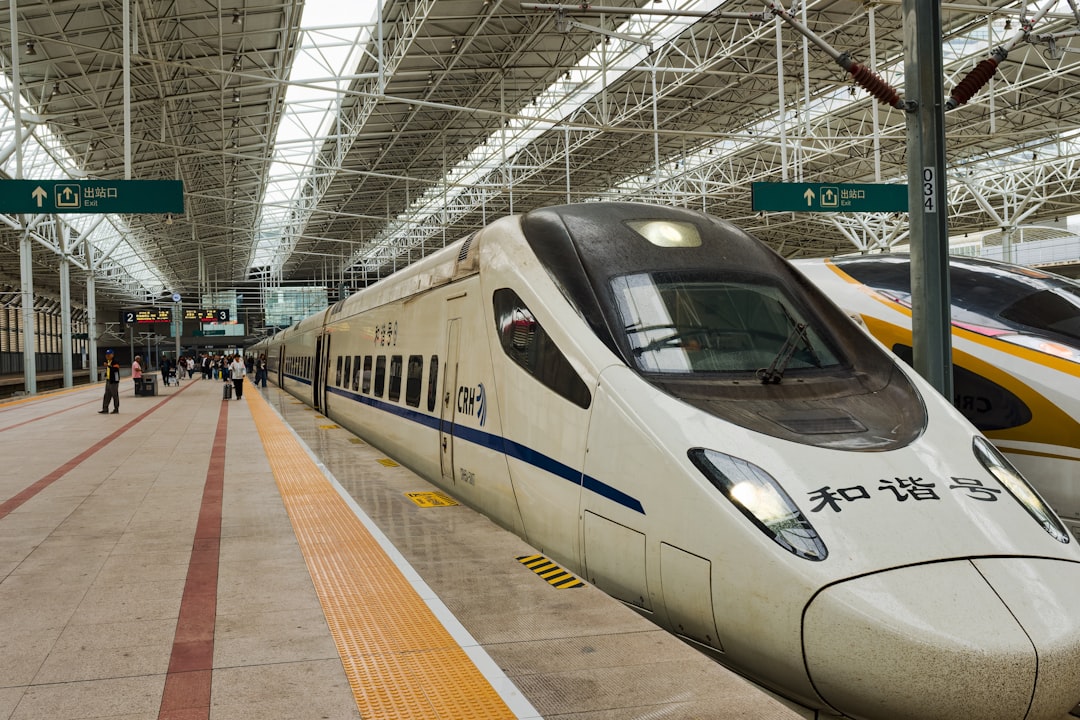
For more detail on this leg, see our Nanchang to Jingdezhen guide.
Step 2: Nanchang (1 to 2 Days, Optional but Worth It)
Most visitors treat Nanchang as an airport. If you have the time, give it a day or two. It’s a big, easygoing provincial capital on the Gan River, and for a Singaporean the main reason to stay is simple: the food.
What to Eat
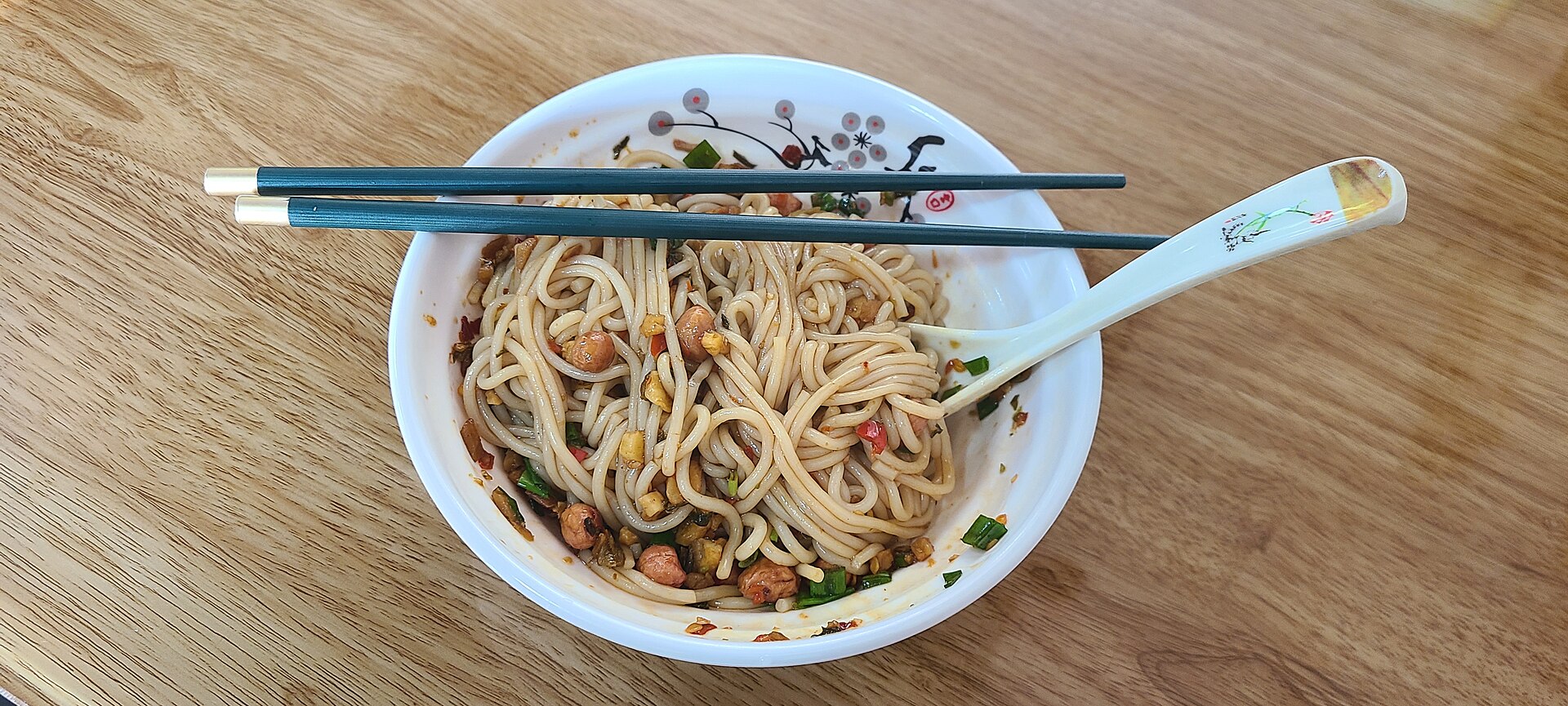
Nanchang rice noodles (拌粉, banfen). The city’s breakfast. Thick, round rice noodles tossed with soy, chilli, pickled long beans, peanuts and spring onion. It’s cheap, fast and eaten standing up. Order it with a bowl of the next item.
Clay-pot soup (瓦罐汤, wa guan tang). This is the dish to try if you’re headed to the porcelain capital. Dozens of small sealed clay pots, each holding a single serving of broth, are slow-cooked for hours inside a huge earthenware urn. Pork rib with lotus root, or chicken with shiitake, are the classics. It’s the Jiangxi version of a comfort soup, and it’s very good.
Stir-fried artemisia with cured pork (藜蒿炒腊肉). A wild river-marsh green with a crisp, slightly herbal taste, fried with smoky cured pork. It’s seasonal, at its best from winter to spring.
Steamed pork with rice flour (米粉蒸肉). Pork belly coated in toasted, spiced rice flour and steamed until soft. Rich and not spicy, which makes it a good break from everything else.
A word on heat: Jiangxi cooking is properly spicy, often more than Singaporeans expect, even people who handle sambal well. “Bu yao la” (no chilli) or “wei la” (a little) will get you a long way.
What to See
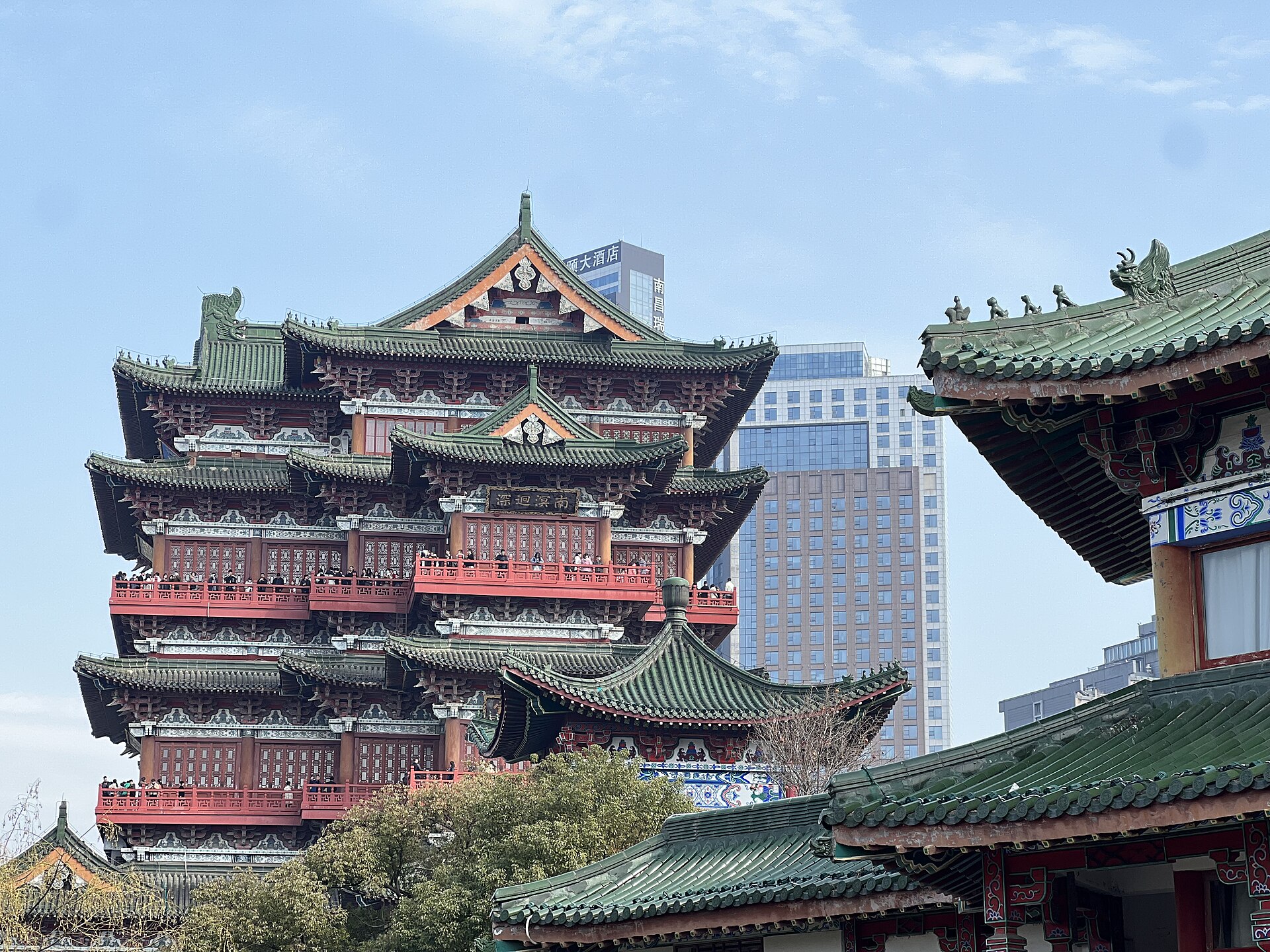
Tengwang Pavilion (滕王阁). One of the three great towers of southern China, famous for a Tang-dynasty poem most Chinese students have memorised. The current building is a 1980s reconstruction, but it’s handsome, and the view over the Gan River at dusk is the best in the city. Open 8:00 to 22:00 (last entry 21:00), with tickets from about ¥48. Bring your passport, which you’ll need to buy and enter. Go in the late afternoon and stay for the evening lights.
Wanshou Palace historic district (万寿宫历史文化街区). A rebuilt old-town quarter around a Taoist temple, full of snack stalls. Touristy, but convenient for trying several local dishes in one walk.
Bayi (August 1st) Uprising Memorial Hall. Nanchang is known as the birthplace of the People’s Liberation Army, and this museum tells that story. Worth an hour if modern Chinese history interests you.
If you’re only staying one night, do Tengwang Pavilion at sunset and a clay-pot soup dinner, then take a morning train to Jingdezhen.
Step 3: Jingdezhen (3 to 4 Days, the Heart of the Trip)
Jingdezhen has made porcelain for more than a thousand years, and it supplied the imperial court for most of the Ming and Qing dynasties. It isn’t a museum town, though. Thousands of potters, painters and students from all over China and the world still work here, and you can walk into their studios, watch them work, and buy directly from them. For the background, see why Jingdezhen is called China’s porcelain capital.
Where to Stay
Around Taoxichuan (陶溪川): The most convenient base for a first visit. It’s full of cafes, galleries and design shops, and it’s the liveliest area in the evening. Hotels range from mid-range chains to the upscale hotels inside the district.
Around Taoyangli (陶阳里): Next to the Imperial Kiln Museum and the old kiln district, and beautiful at night. Some hotels here include the Taoyangli entry ticket.
Inside Sanbao Village (三宝村): Guesthouses in the hills a few kilometres outside the city. Quiet and lovely in the early morning. Best for a second or third night once you’ve seen the city, not your only base, because getting in and out takes time.
Getting Around
Jingdezhen is spread out, but the main sights are within a 15 to 20 minute ride of each other. Use Didi (the ride-hailing app, which works inside Alipay) for anything more than a short walk. Rides across town usually cost ¥10 to ¥25. In Sanbao Village, rent an e-bike just inside the entrance for around ¥30 a day.
Explore with a local
Full-Day Guided Experience
A private day in Jingdezhen: the historic kilns, the ceramic market and a two-hour pottery class, with museum entry, the class and getting around included.
Day 1: The Imperial Kilns and Old Kiln District
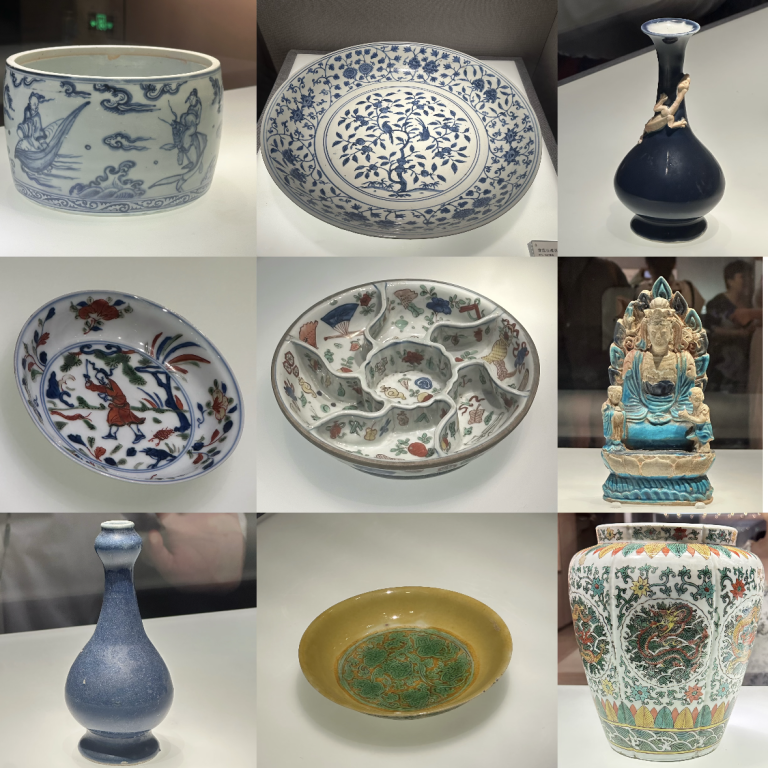
Morning: Jingdezhen China Ceramic Museum (中国陶瓷博物馆). The best overview of 1,000 years of porcelain, and the city’s most popular sight. It’s free, but you must reserve, and slots go fast. Reservations are made through the “畅游景德镇” WeChat mini-program: slots open five days ahead and are released at 8am, noon and 8pm China time. Our Ceramic Museum booking guide walks through it step by step. Allow two hours.
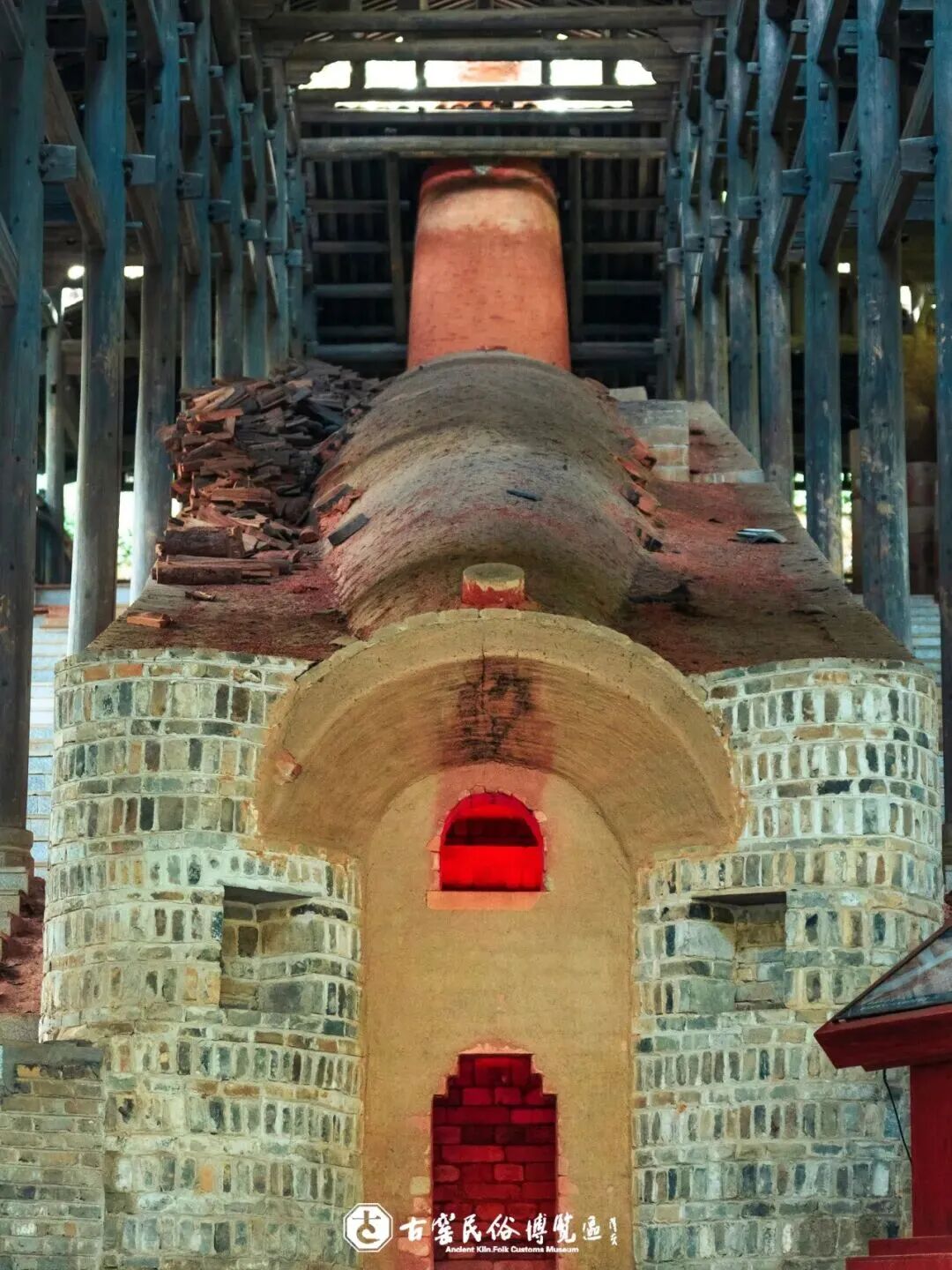
Afternoon: Ancient Kiln Folk Customs Museum (古窑民俗博览区). This is the place that makes the whole process make sense. Craftsmen demonstrate each stage, from throwing and trimming to painting and glazing, and there’s a working wood-fired egg-shaped kiln. Read our full guide before you go.
Evening: Taoyangli and the Imperial Kiln Museum. Taoyangli (陶阳里) is the restored historic district around the site of the Ming and Qing imperial kilns. Entry to the district is ¥53 and valid for three days. The Imperial Kiln Museum inside is free with a reservation, closed on Mondays, and open until 10pm (last entry 9:30pm), so it’s worth visiting after dark when the lanes are lit up. See our Imperial Kiln Museum booking guide.
Day 2: Make Something
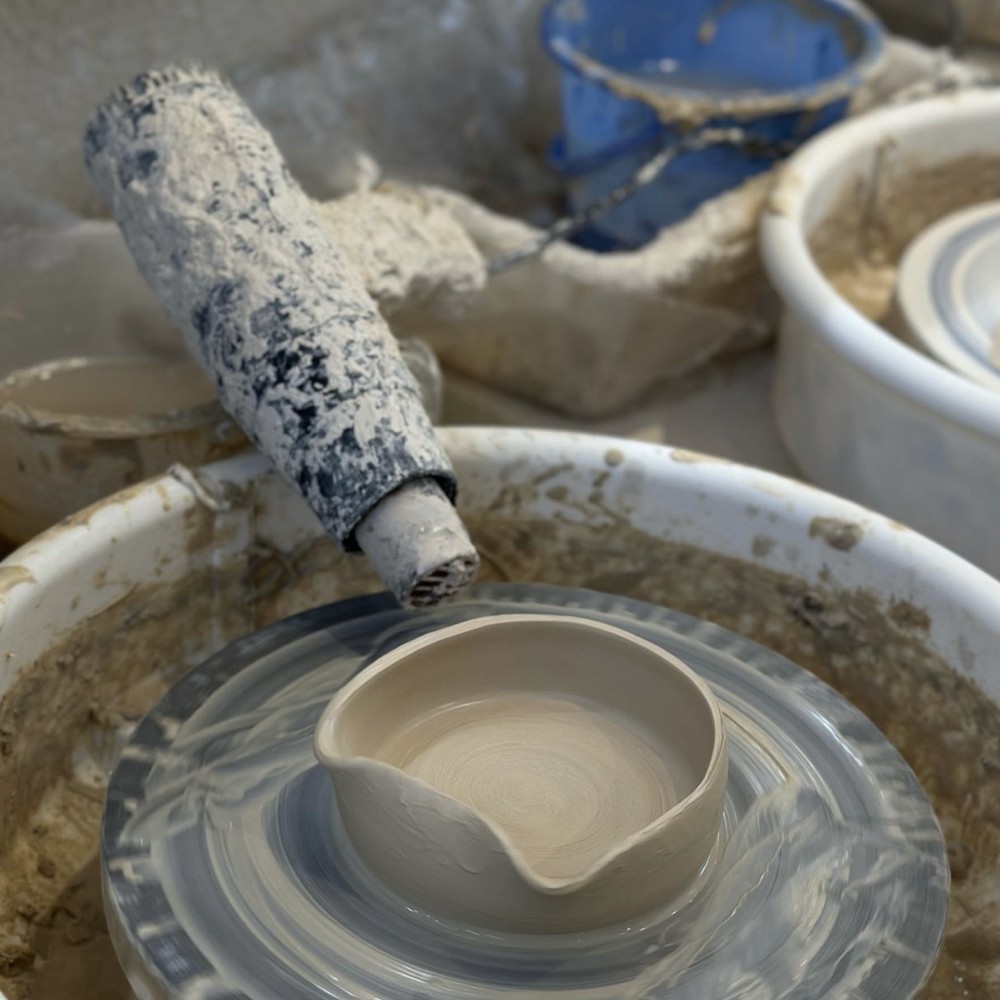
Spend the day in a studio. This is the reason to come to Jingdezhen rather than just reading about it.
Wheel throwing: Shaping a bowl or cup on the wheel. A full package including throwing, trimming, glazing, firing and shipping typically costs ¥80 to ¥100 per piece, though some studios charge separately for firing and postage, so ask first.
Painting on bisque: Painting a pre-fired piece with blue-and-white underglaze. Easier, very relaxing, and usually ¥30 to ¥80.
Timing: Whatever the studio says, allow at least two to three hours.
Getting it home: Your piece needs to dry, be glazed and be fired, so it won’t be ready before you leave. Studios ship it to you, and it usually arrives in Singapore about a month later.
Book a studio session
Pottery Experience With a Translator
Two to three private hours in a Jingdezhen studio, wheel-throwing or porcelain painting, with a translator beside you the whole time.
Want more than an afternoon? Our 3-Day Immersive Pottery Workshop (from US$382) and 7-Day Wheel-Throwing Intensive are for people who want to actually learn.
Our pottery class guide explains what beginners can realistically make.
In the late afternoon, walk the Sculpture Porcelain Factory (雕塑瓷厂), a former state factory turned into lanes of small studios and shops. It’s open 9am to 6pm and is the best place in the city to buy directly from young makers.

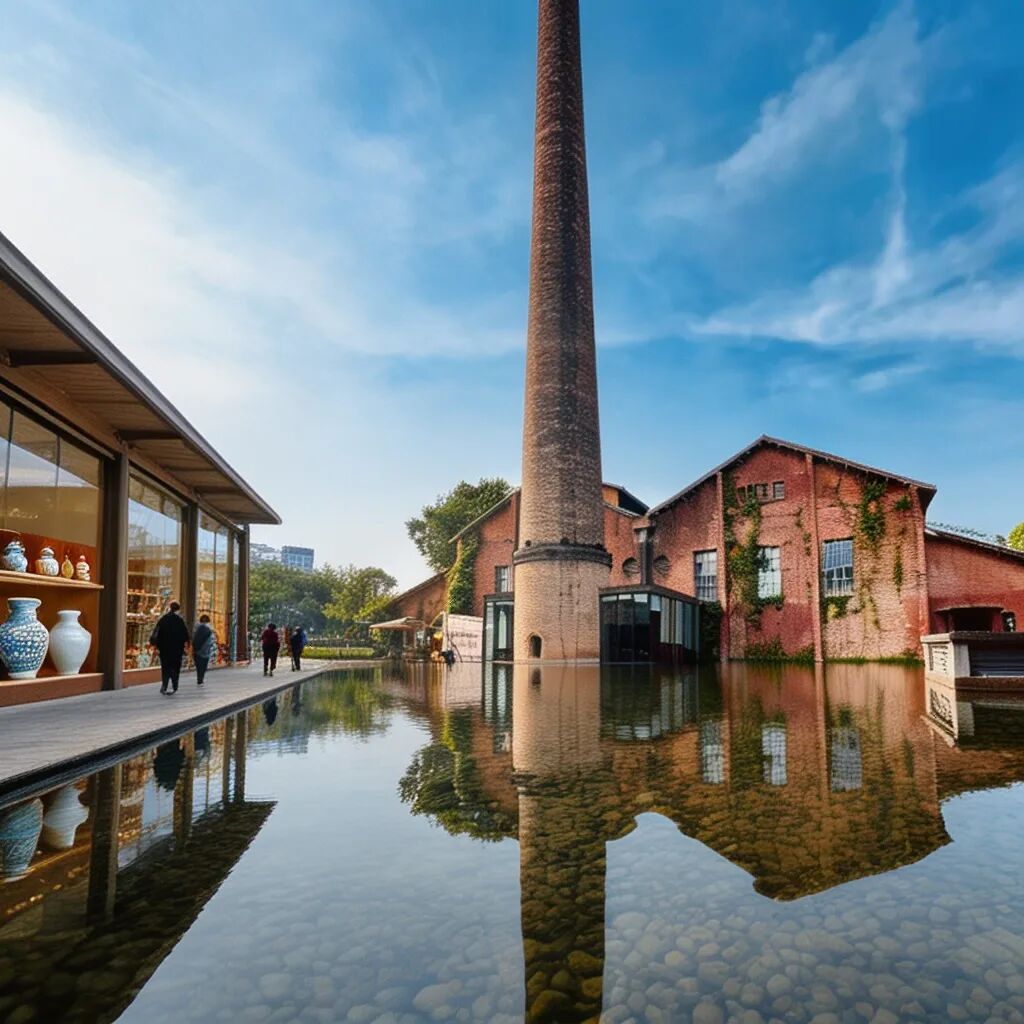
Evening: Taoxichuan. The former Universe Porcelain Factory is now the city’s design district, with chimneys, brick kilns, galleries and bars. The weekend creative market, Friday to Sunday from late afternoon until 10pm, has hundreds of stalls run by young ceramic artists. If something catches your eye, buy it then, because these are one-off pieces and you probably won’t find the stall again. See our Taoxichuan guide.
For food lovers
What to Eat in Jingdezhen
Our free food guide: meat-patty soup, thick cold rice noodles, porcelain-clay baked chicken and more, with prices and how to order on your own.
Day 3: Sanbao Village and the Hills
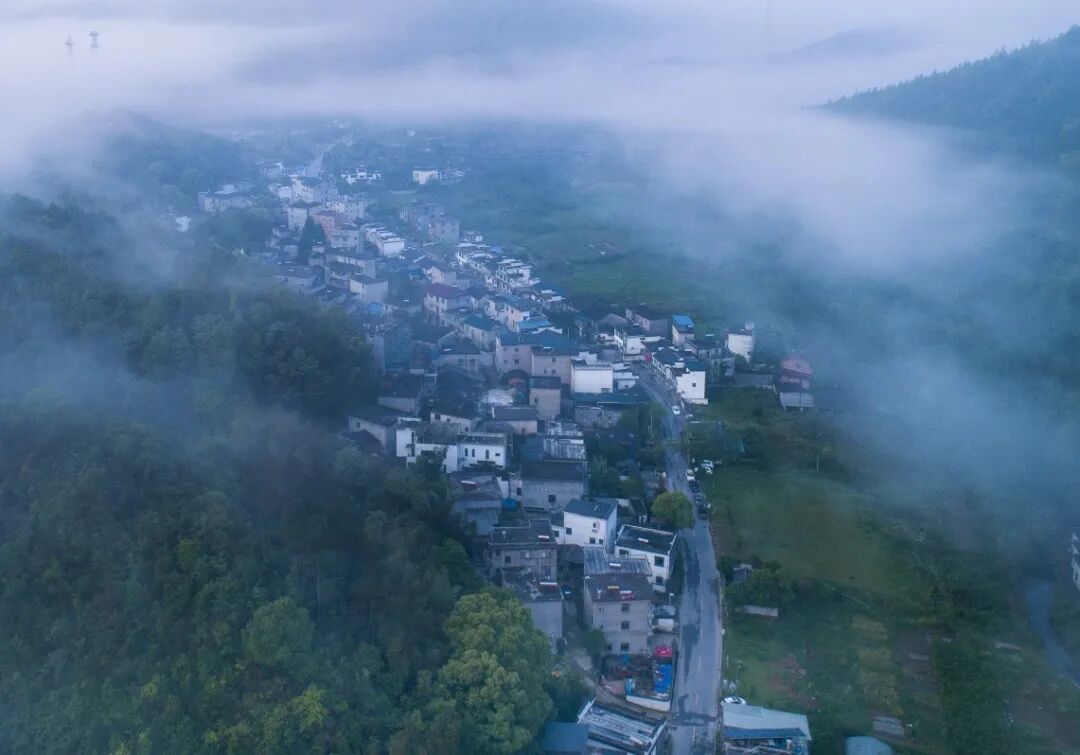
Sanbao is a long valley south of the city where the old water-powered mills once crushed porcelain stone. Today it’s lined with studios, guesthouses, cafes and small art museums, spread over roughly 10 kilometres of road. Rent an e-bike at the entrance, or use the ¥15 shuttle. Note that on weekends and public holidays, cars and outside e-bikes are restricted during the day, so rent inside the entrance. Read more in our Sanbao Village guide.
If you’re here on a Saturday: The Pottery Workshop’s creative market runs from 9:30am to 12:30pm near Shuangfeng Bridge. It’s smaller and more personal than Taoxichuan, and it’s where many of the city’s foreign residents and young artists sell their work.
If you want to shop for everyday porcelain: Taoyang New Village’s night market runs every evening from about 7pm to 11pm. It’s the city’s big wholesale market, with bracelets, tea cups and fridge magnets at very low prices. Quality is basic, but it’s fun. Our what to buy guide lists typical prices so you know what’s fair.
Day 4 (Optional): Beyond the City

With a fourth day, head into the countryside. Yaoli Ancient Town, about an hour’s drive northeast, is an old mountain town near Gaoling, the village that gave kaolin clay its name. Or go to Wuyuan, 26 minutes away by train, for Huizhou-style villages, covered bridges, and in March, hillsides of yellow canola. You can also make Wuyuan a stop on the way to Shangrao, since it sits right on that railway line. See our Wuyuan and Jingdezhen guide.
For more on the historic sites, see Jingdezhen’s five UNESCO heritage sites. For a slower day-by-day version, see our 5-day Jingdezhen itinerary.
Where a Local Helps
If you speak Mandarin, you don’t need anyone to buy train tickets or order dinner for you. What’s hard to find on your own is access: which studios take walk-in visitors, which masters will let you sit and watch them work, where a young artist’s own workshop is rather than their shop, and what a fair price is for a hand-painted piece. That’s what we do. We’re Willow and Lucas, a couple who live in Jingdezhen and show visitors around it. Meet your guide.
Step 4: Shangrao and Wangxian Valley (1 to 2 Days)
From Jingdezhen North, direct trains reach Shangrao in about 52 minutes. There are also frequent trains via Wuyuan if you’re stopping there.
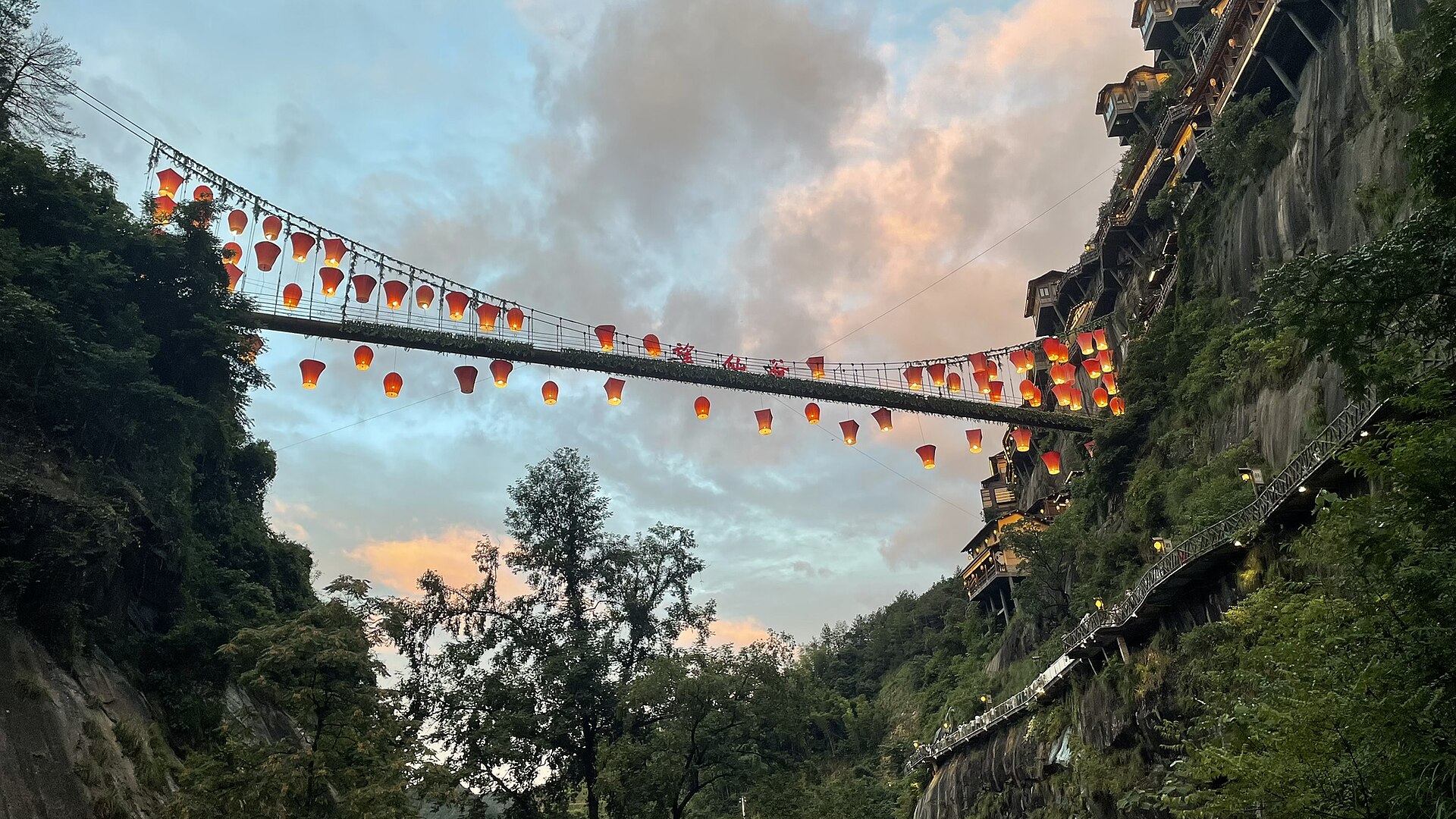
Wangxian Valley (望仙谷) is a cliffside village built into a narrow gorge in the mountains outside Shangrao. Wooden houses, teahouses and inns are stacked up the rock face above a river, connected by stairways and bridges. It’s heavily restored and definitely a tourist attraction, but it’s genuinely spectacular, especially after dark when the whole gorge is lit up. Most Chinese visitors come for the night views.
Getting there: A tourist shuttle runs from Shangrao East Bus Station, which is directly next to Shangrao railway station (about a five-minute walk after you exit). The ride takes about an hour and costs ¥30. Buses to the valley run from about 7:40am to 3:30pm, and buses back to Shangrao run from about 11:30am to 8:30pm. Tickets can be bought through the “赣悦行” WeChat mini-program. A taxi costs around ¥100.
Tickets: Around ¥100 to ¥120 for adults. Prices vary by season and are usually cheaper online.
Stay the night if you can. The last bus back to Shangrao leaves before the lights are at their best. Guesthouses inside the valley often include entry tickets for guests, but they’re small, expensive and book out, so reserve about a month ahead. Guesthouses just outside the valley are cheaper.
An alternative: Sanqingshan (三清山). If you’d rather have mountains than a village, Mount Sanqing is a UNESCO World Heritage granite mountain also reached from Shangrao, with plank walkways along the cliffs. Choose one or the other unless you have plenty of time.
Step 5: Hangzhou (2 Days)
From Shangrao, the fastest trains to Hangzhou East take about 1 hour 25 minutes. Most take closer to two hours.
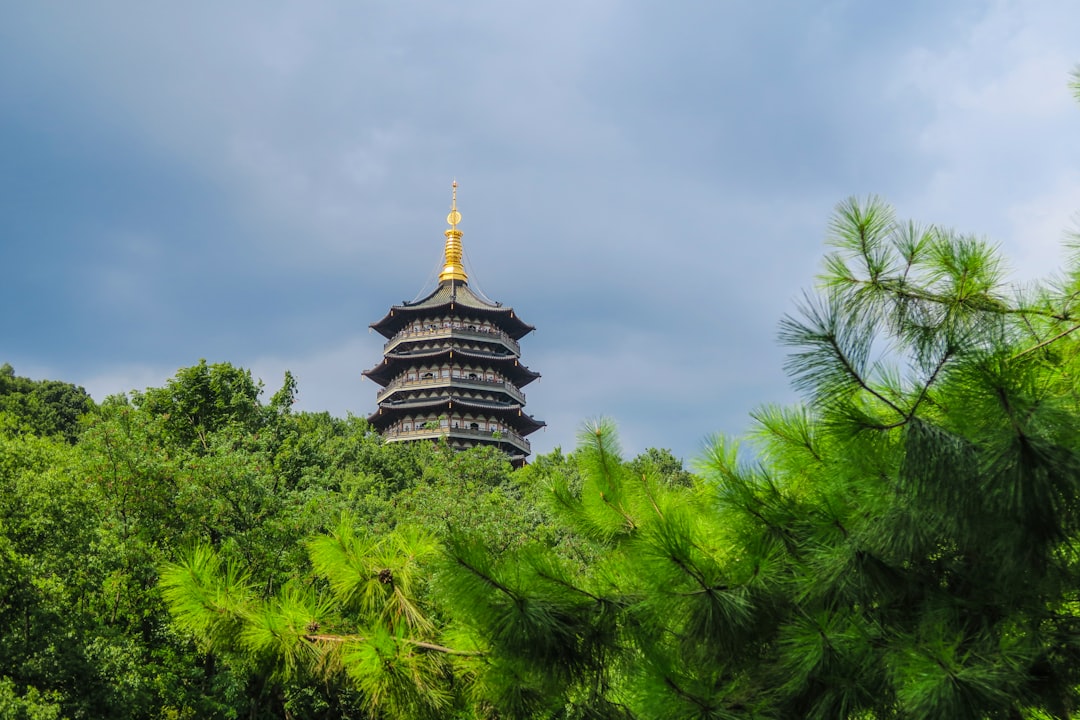
Hangzhou needs little introduction. See West Lake early in the morning, before the tour groups arrive. Walk the Su Causeway, then take a taxi up into the Longjing tea villages for tea on a terrace overlooking the plantations. Lingyin Temple and the Buddhist carvings at Feilai Feng are worth a morning. If you’re flying home from Hangzhou, keep your last day light.
Flying home from Hangzhou: Scoot flies Hangzhou to Singapore most days, and Singapore Airlines restarted daily Hangzhou flights in June 2026. The Singapore Airlines return is a red-eye that leaves just after midnight and lands at Changi around 5am, which means you get a full final day in Hangzhou.
If you’re doing this route in reverse, starting from Hangzhou, see our Hangzhou to Jingdezhen guide.
Step 6 (Optional): Shanghai
Trains from Hangzhou to Shanghai Hongqiao take about an hour and run every few minutes. Shanghai has many more daily flights to Singapore than Hangzhou, which means more choice of times and often lower fares. Two days are enough for the Bund, the former French Concession, and a few good meals. Remember that most international flights leave from Pudong, which is about an hour from Hongqiao.
Three Sample Itineraries
7 Days: The Essentials
Day 1 (Wed): Fly to Nanchang. Tengwang Pavilion at sunset, clay-pot soup for dinner.
Day 2: Morning train to Jingdezhen. Ancient Kiln Folk Customs Museum, then Taoyangli in the evening.
Day 3: Ceramic Museum in the morning, studio class in the afternoon.
Day 4: Sculpture Porcelain Factory and Sanbao Village. Taoxichuan in the evening.
Day 5: Train to Shangrao, shuttle to Wangxian Valley. Stay the night.
Day 6: Train to Hangzhou. West Lake in the late afternoon.
Day 7: Longjing tea villages. Fly home on the midnight flight.
10 Days: The Recommended Version
Days 1–2: Nanchang, with a full day for food and the pavilion.
Days 3–6: Jingdezhen, including a Wuyuan or Yaoli day trip.
Day 7: Wangxian Valley overnight.
Days 8–10: Hangzhou, flying home on the evening of Day 10.
14 Days: Slow Travel
Days 1–2: Nanchang.
Days 3–7: Jingdezhen, with two nights in Sanbao Village and time for a multi-day pottery course.
Day 8: Wuyuan.
Days 9–10: Sanqingshan or Wangxian Valley, or both.
Days 11–12: Hangzhou.
Days 13–14: Shanghai, flying home from Pudong.
When to Go (From a Singapore Calendar)
March school holidays: Spring in Jiangxi. Wuyuan’s canola fields peak in March and early April. Beautiful, but busy and often rainy. Pack an umbrella.
June school holidays: Hot, humid and rainy, much like home. Fine for studio time, less fun for walking.
September to November: Our favourite season. Clear, dry, around 15 to 25°C. Avoid the first week of October, China’s National Day holiday, when every train and hotel is full.
December holidays: Colder than most Singaporeans expect, around 0 to 8°C. Many older buildings and small studios aren’t heated, so bring a proper down jacket.
Chinese New Year: Avoid it. Trains are packed before and after, and many studios close for two weeks or more.
More in our best time to visit guide.
Frequently Asked Questions
Is there a direct flight from Singapore to Jingdezhen?
No. The nearest airport with direct flights from Singapore is Nanchang (KHN), served by China Eastern three times a week. From there, it’s 42 minutes by train or about three hours by direct airport bus.
How long does it take to get from Singapore to Jingdezhen?
About 8 to 9 hours door to door via Nanchang, if your connections line up well.
Do Singaporeans need a visa for China?
No. Singapore passport holders can stay up to 30 days visa-free for tourism, business or visiting family.
Can I do this route in reverse?
Yes. Fly into Hangzhou or Shanghai and finish in Nanchang, but make sure your last day falls on a Wednesday, Friday or Sunday for the direct flight home, or connect through another city.
How many days do I need in Jingdezhen?
Three full days is the minimum to see the main sights and spend a day in a studio. Four or five lets you add Sanbao Village, a day trip, and a slower pace.
Can I bring porcelain back to Singapore?
Yes. For a few pieces, ask the shop to bubble-wrap them and carry them in your hand luggage. For anything large or fragile, almost every shop will ship to Singapore. Ask for the shipping cost before you pay.
Is the food halal-friendly?
Options are limited. Jingdezhen and Nanchang both have a few Hui Muslim noodle restaurants (look for 兰州拉面 signs with Arabic script), but most local cooking uses pork. Nanchang and Hangzhou have more choice than Jingdezhen. Let us know in advance and we can suggest places.
Quick Reference
Flight in: Singapore → Nanchang, China Eastern, Wed/Fri/Sun, about 5h20m
Airport to Jingdezhen: Direct bus (about 3 hours), or metro to Nanchang East + train (about 42 min)
Jingdezhen → Wuyuan: about 26 min by train
Jingdezhen → Shangrao: about 52 min by train
Shangrao → Wangxian Valley: shuttle bus, about 1 hour, ¥30
Shangrao → Hangzhou East: 1h25m to 2h by train
Hangzhou → Shanghai Hongqiao: about 1 hour by train
Flight home: Hangzhou (Scoot, Singapore Airlines) or Shanghai (many daily)
Visa: Free for Singapore passports, up to 30 days
Best months: April, October, November
Plan It With Us
Schedules on this route change more often than guidebooks can keep up with, especially the airport bus and the Nanchang flight days. We live here, and we can check the real times for your dates.
Singapore to Jingdezhen, planned for you
Custom Itinerary
Tell us your dates and what you care about. We’ll plan the route from Nanchang to Hangzhou with real train and bus times, book the museums and line up the studios, and send you a quote before you commit to anything.
Have a Question About This Trip?
Send us a quick note and we will get back to you.