
Jingdezhen was inscribed as a UNESCO World Heritage Site on July 25, 2026, under the name “Jingdezhen Handicraft Porcelain Industry Sites.” But this is not a single site. The designation covers five distinct areas that together preserve the entire production chain of handmade porcelain, from raw materials to finished product, spanning the 10th to 19th centuries. Here is what each site is, what you will see there, and how to visit.
Beyond the heritage sites, see all the things to do in Jingdezhen, and how Jingdezhen porcelain is made, step by step.
What the UNESCO Listing Means for Visitors
The listing was approved at the 48th session of the World Heritage Committee in Busan, South Korea. It makes Jingdezhen China’s 61st World Heritage Site. The protected area covers 1,979 hectares across five components, which together show how porcelain was made here from the 10th to the 19th century.
What changes. Expect more visitors, both Chinese and international. World Heritage status also brings stricter protection for the old kiln districts and lanes, and over time, better signs and visitor facilities at the main sites.
What doesn’t change. The studios, the night market at Taoxichuan and the master painters all work the same way they did before the listing. English is still rare outside the art residency scene, so a translation app or a local guide makes a big difference.
Is now a good time to visit? Yes. The city now has global recognition but hasn’t yet built the crowds or tour-bus infrastructure of places like Lijiang or Pingyao. Prices are still local and the artisans are easy to meet.
If you want a ready-made plan for seeing these sites, our guide to the five official heritage routes compares them by time and interest.
The Five Heritage Components
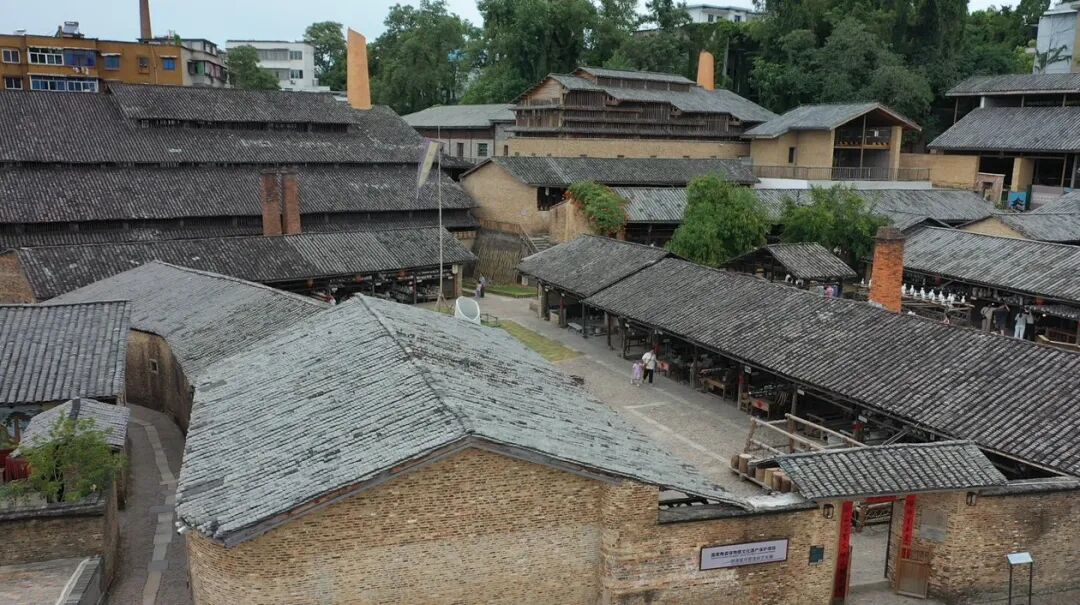
1. The Town Center Porcelain Production Zone
This is the core of the heritage designation and the area most visitors will see first. It covers several connected sites in Jingdezhen’s old city center, all within walking distance of each other.
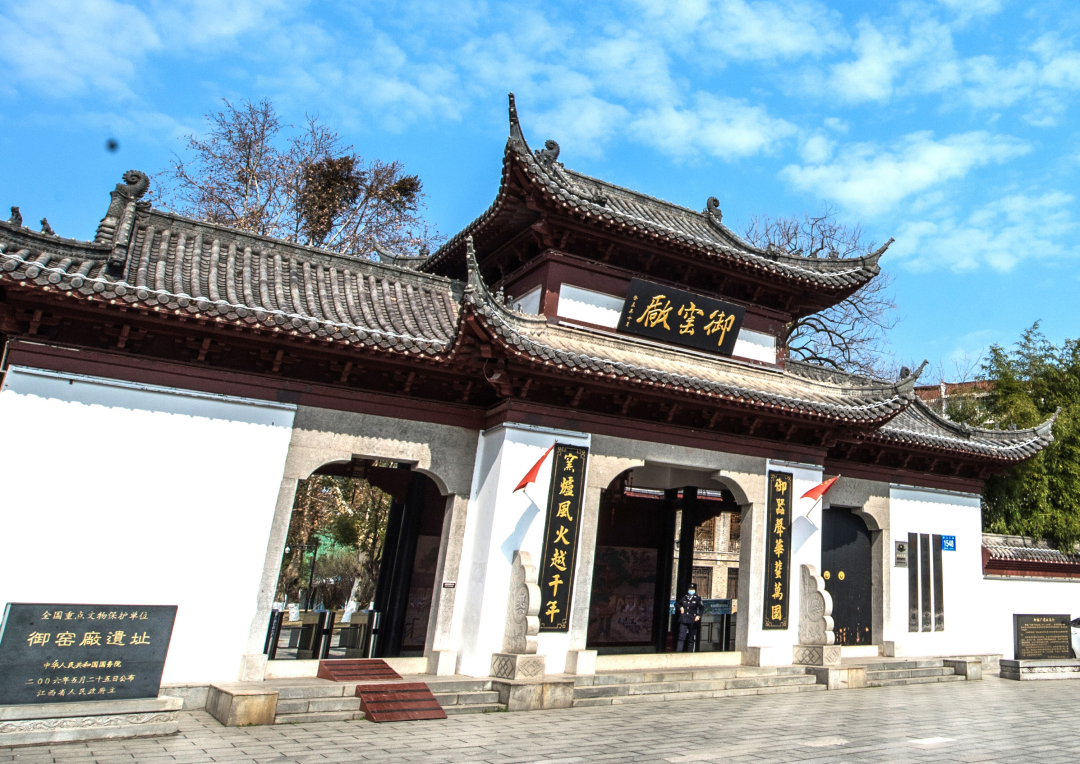
Imperial Kiln Site (Yuyao Chang)
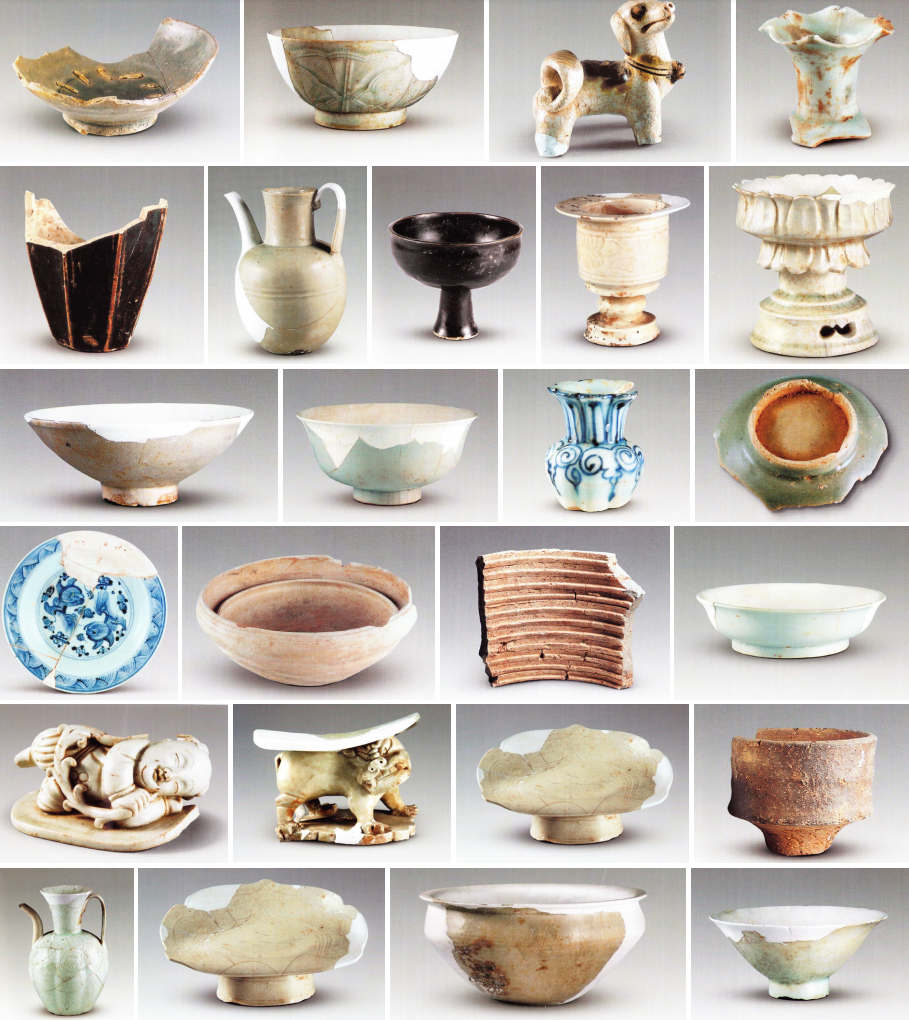
The Imperial Kiln was established in 1369 by the founding Ming emperor Zhu Yuanzhang on Zhushan Hill. For 542 years across two dynasties and 27 emperors, this was the only facility authorized to produce porcelain for the imperial court. The underground archaeological layers run 13 meters deep. Excavations have recovered over 20 million porcelain fragments totaling more than 100 tons, with over 3,000 pieces restored. 95% of the 360,000 ceramic pieces in Beijing’s Forbidden City came from this site.
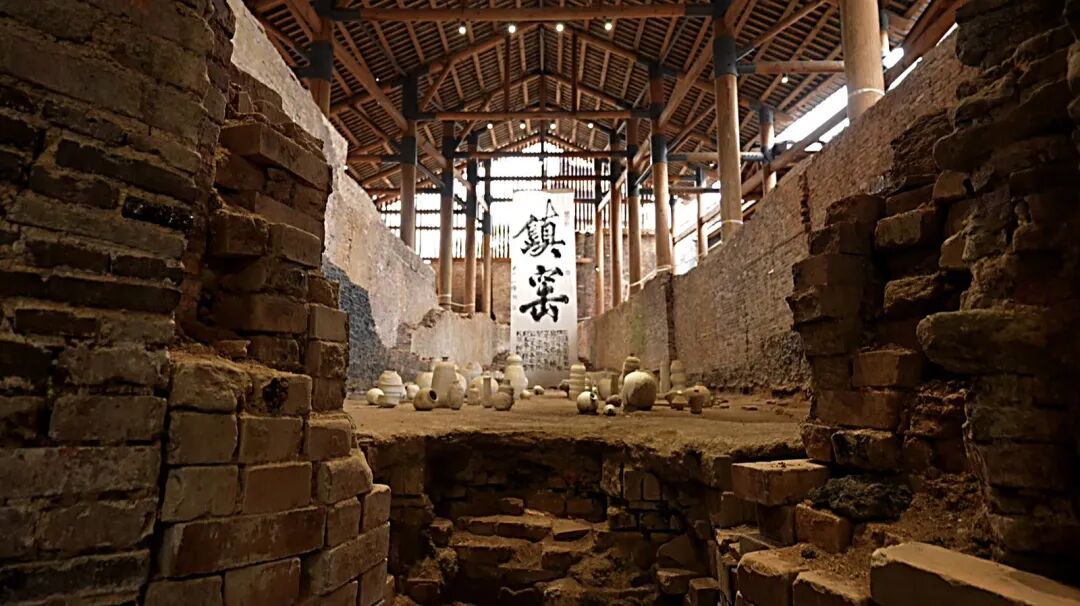
The site is open to visitors and includes exposed archaeological layers, remnants of kiln structures, walls, roads, and wells from the Ming and Qing periods.
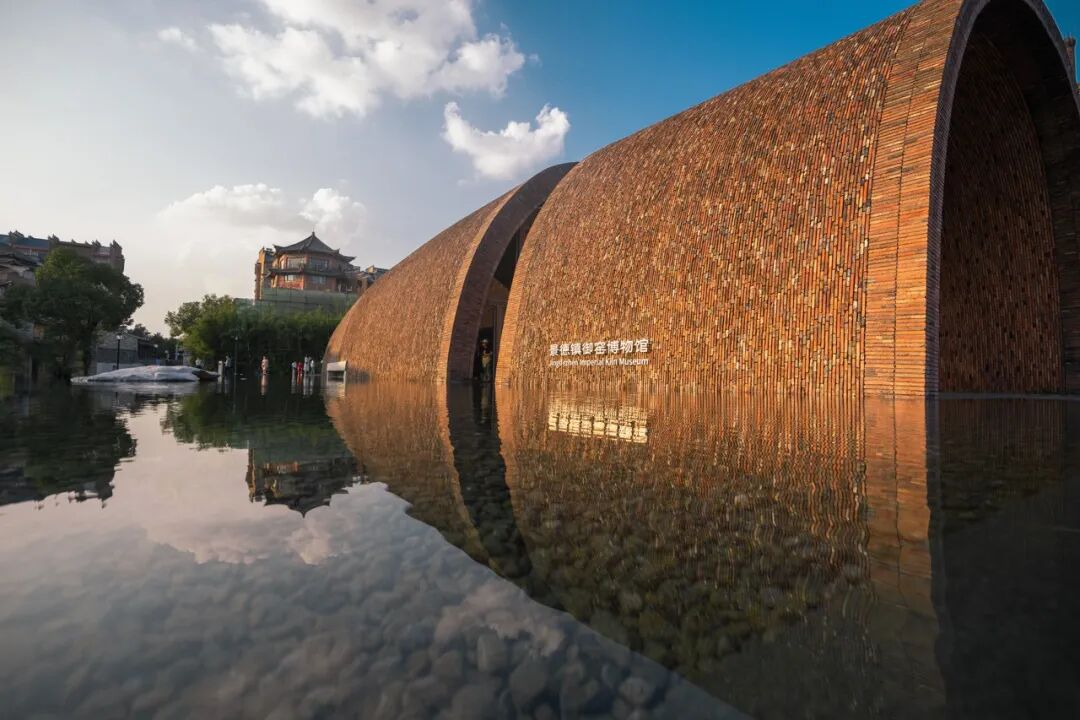
Imperial Kiln Museum
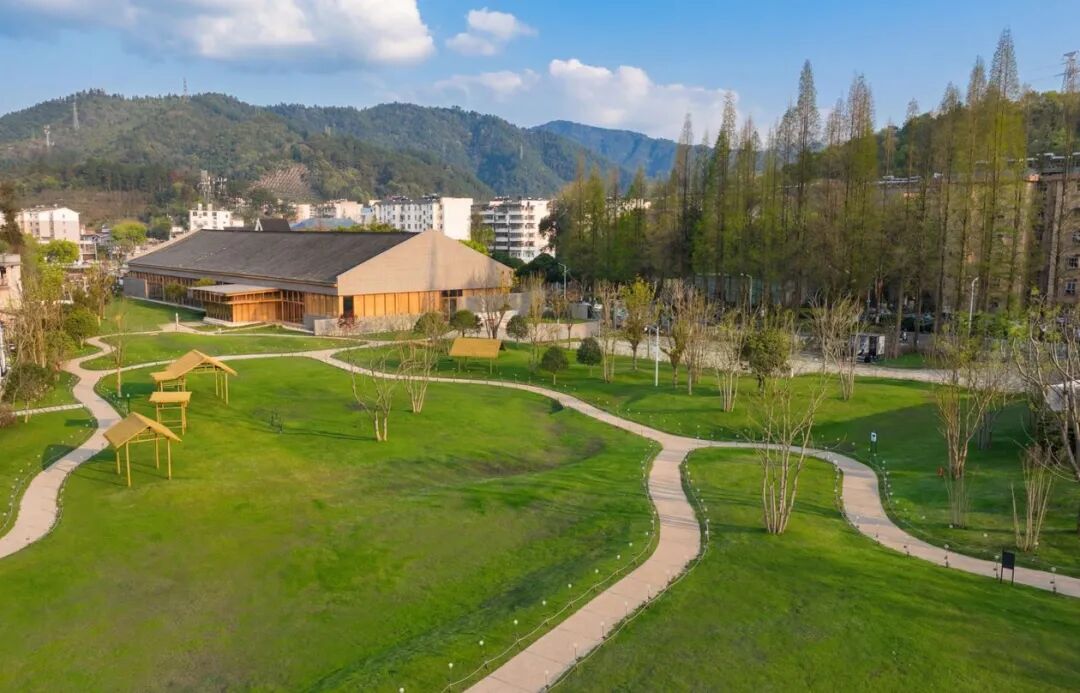
Designed by architect Zhu Pei, the museum’s vaulted brick structures are inspired by traditional wood-fired kilns and built with 900,000 reclaimed kiln bricks. The reflecting pool on the west side is one of Jingdezhen’s most photographed spots.
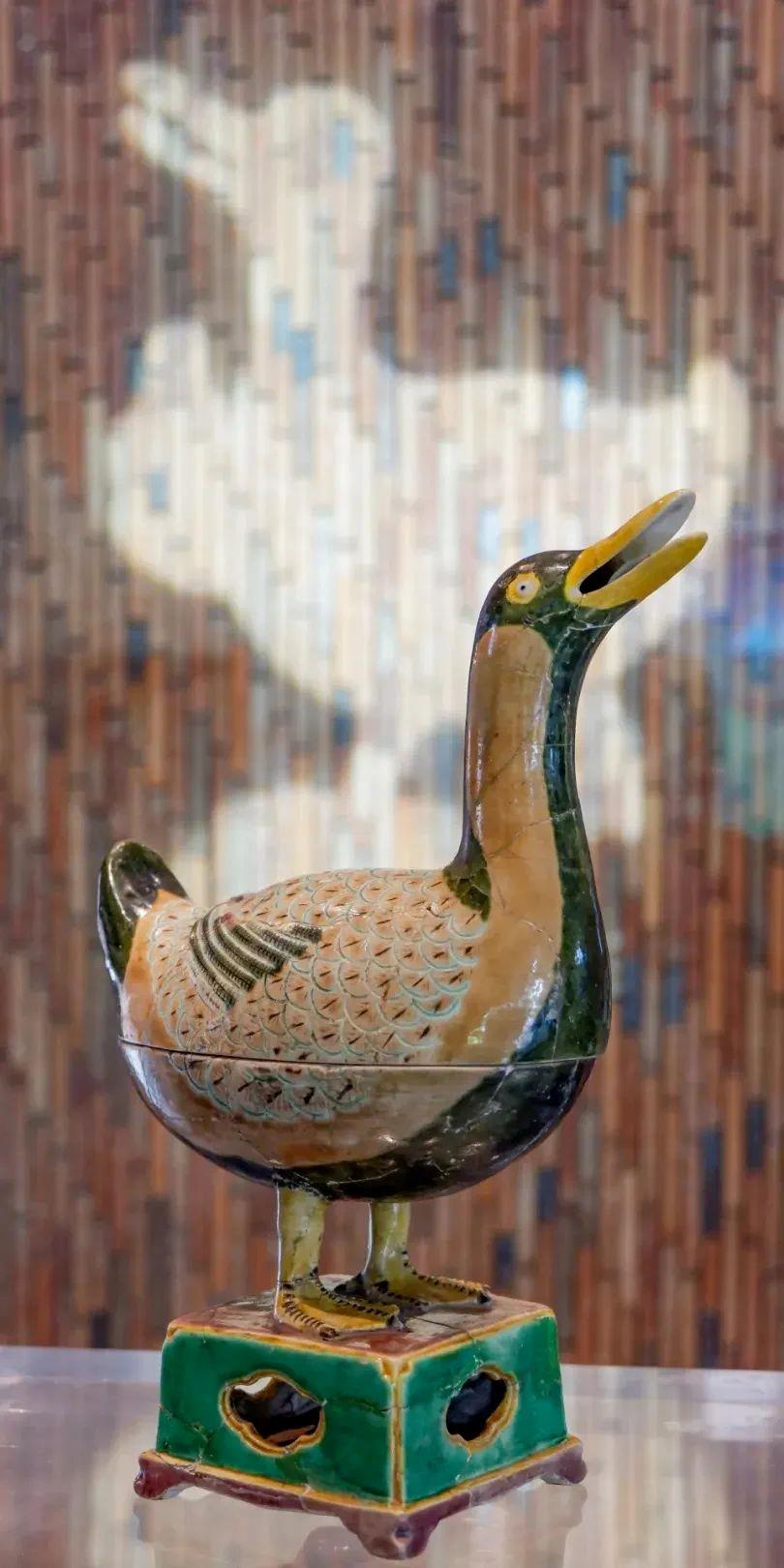
Everything in the collection is either a fragment or a restored piece. The museum’s most famous artifact is the “Suisui Duck” (a Ming Chenghua-era tricolor duck-shaped incense burner), reconstructed from over 60 fragments. It was originally destined for the imperial court but was smashed and buried after failing quality inspection. Other notable pieces include a Yongle-era sweet white glaze triple-connected vessel and a Zhengtong-era blue-and-white cloud dragon jar.
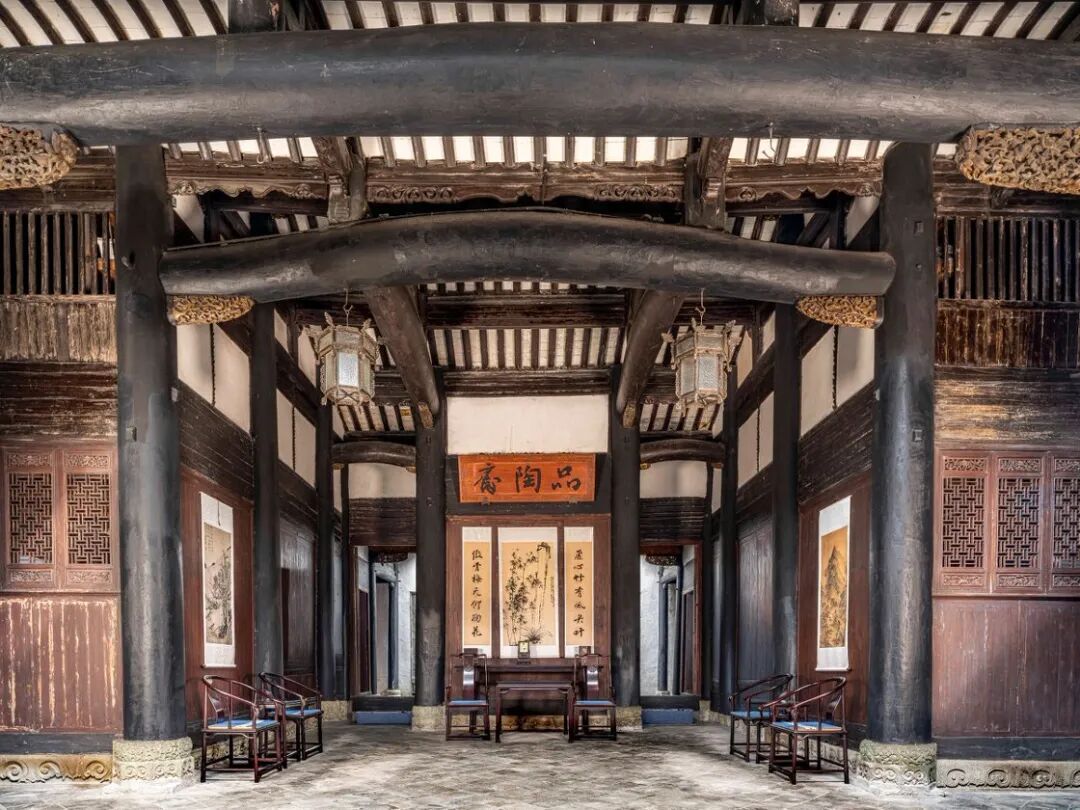
Longzhu Pavilion
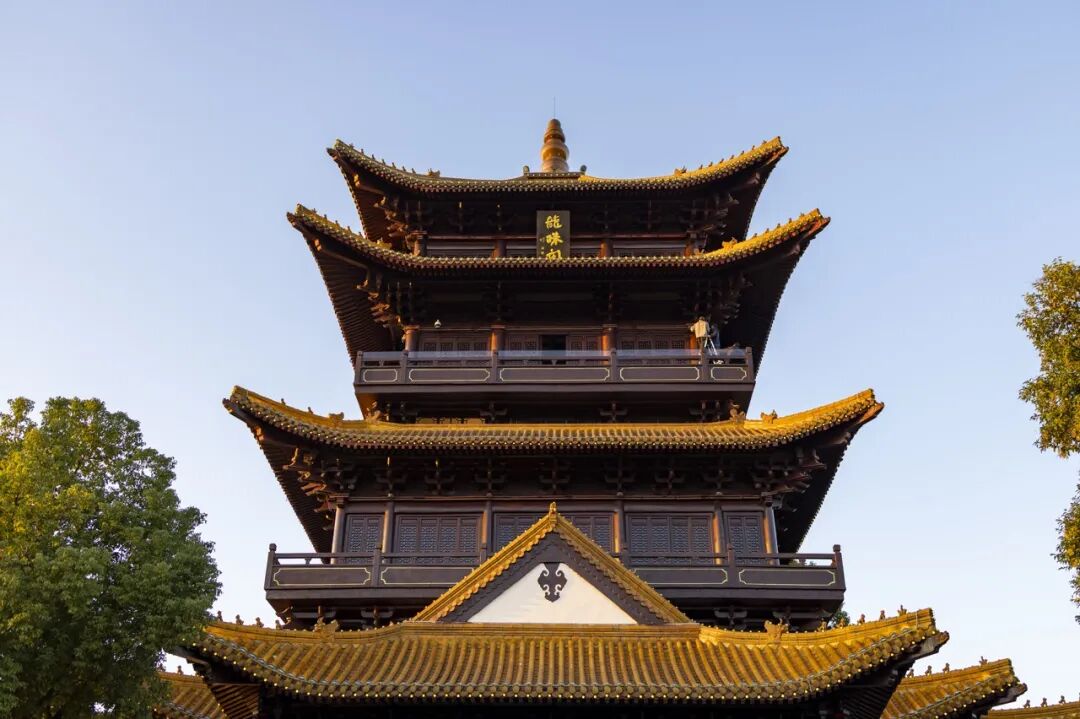
Sitting atop Zhushan Hill, Longzhu Pavilion was first built during the Tang dynasty and has been destroyed and rebuilt several times. The current structure dates from 1990 and houses a collection of imperial porcelain. Archaeological work around the pavilion confirmed that Zhushan Hill itself was formed from centuries of accumulated kiln waste.
Xu Family Kiln (Xujia Yao)
Dating from the late Ming to early Qing period, this is the oldest, most complete, and largest surviving traditional wood-fired kiln site in Jingdezhen. It stopped firing in 1979 and was first relit in 2016. The kiln now holds regular firing and opening demonstrations.
The Xu Family Kiln holds a kiln opening festival each summer. In 2026 it ran from July 25 to August 2. Visitors can watch the kiln being loaded, fired, and opened, and walk through the surrounding Ming-Qing era workshops and alleyways.
Guanyin Pavilion Kiln Site
A folk kiln site with production history stretching back to the Southern Song and Yuan dynasties. By the mid-Ming period, this area had become a major civilian porcelain production center. The site connects directly to the Imperial Kiln area, showing the close relationship between official and folk production.
Luomaqiao Kiln Site
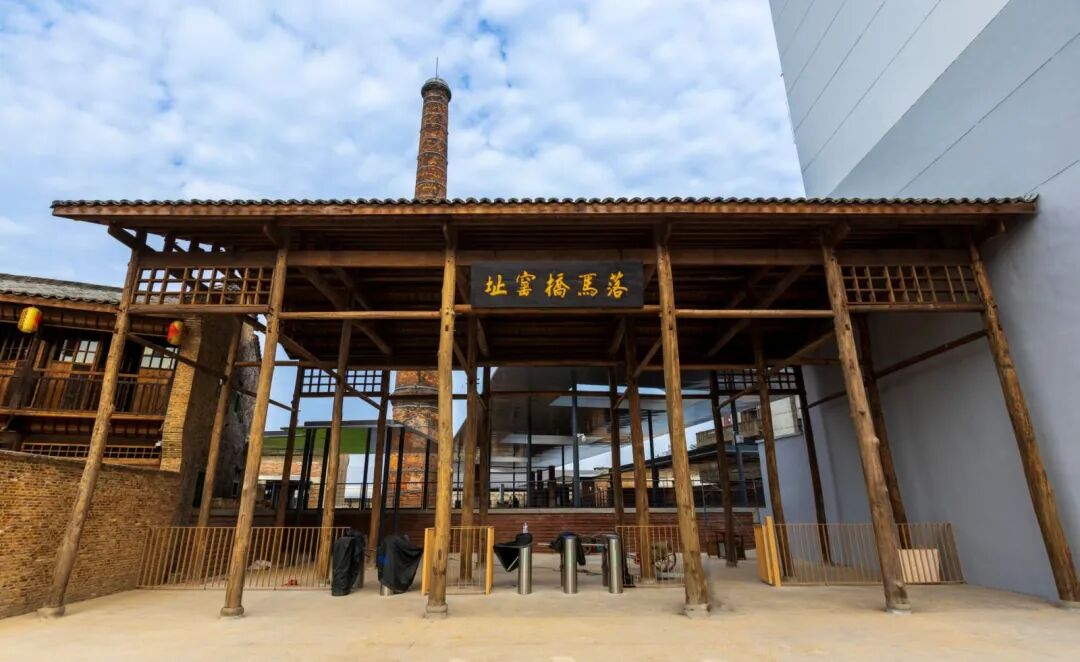
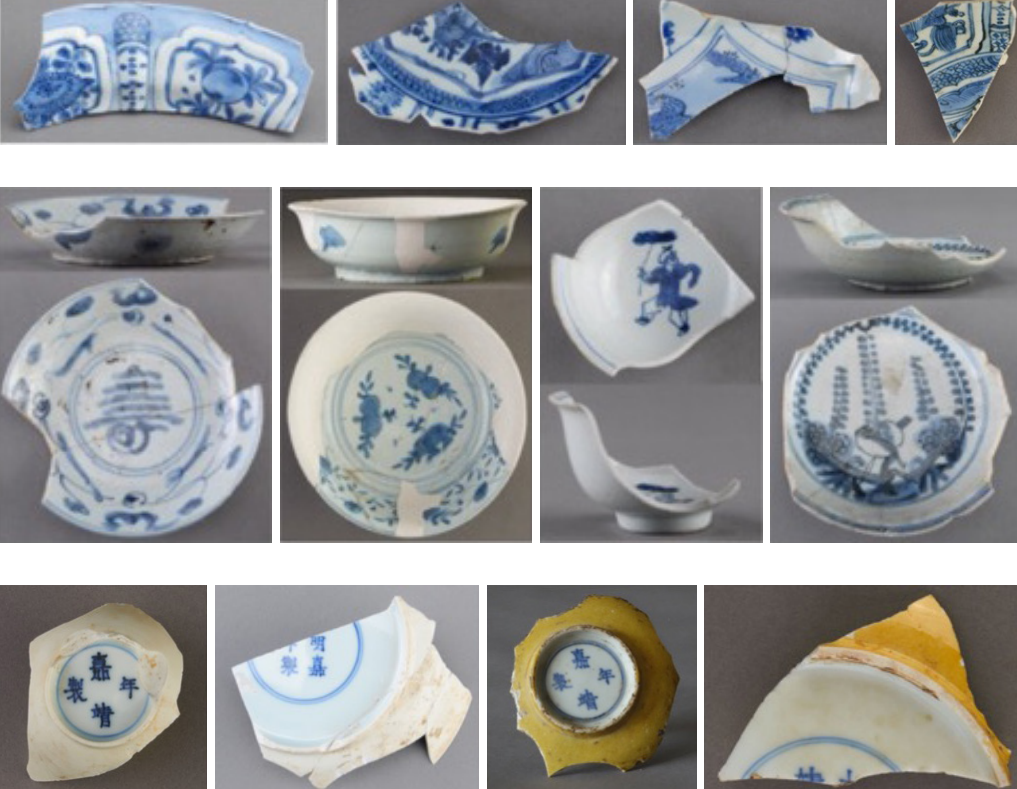
An important folk kiln production area with archaeological layers dating from the late Northern Song through the late Qing. Excavated fragments include Kraak porcelain (export ware made for European markets), demonstrating Jingdezhen’s role in global porcelain trade during the Ming dynasty. A gourd-shaped kiln discovered here is a key example of kiln technology development.
Sanlumiao Ancient Wharf
Built during the Ming dynasty on the west bank of the Chang River, this granite wharf stretches over 100 meters with separate pedestrian stairs and cart ramps. It was once the main loading point for porcelain shipped out of Jingdezhen by river. The adjacent Sanlumiao temple, built in the late Ming and rebuilt in the mid-Qing, was where merchants prayed for safe passage before departing with their cargo.

Xiangji Lane Residences
Two mid-Ming dynasty merchant houses that show how wealthy porcelain traders lived. The buildings follow the “three bays, five frames” layout mandated by Ming law for civilian homes, but the oversized beams and elaborate stone carvings suggest the owners were pushing the limits of what was permitted for non-noble households.
🏺 Walk Through These Sites With Someone Who Knows the Story
The Town Center sites are all walkable in a single day — but knowing which fragment came from which kiln, or why a duck incense burner ended up smashed and buried, is what brings the ruins to life. Our Full-Day Guided Experience covers the highlights with English narration.
2. Hutian Ancient Kiln Site
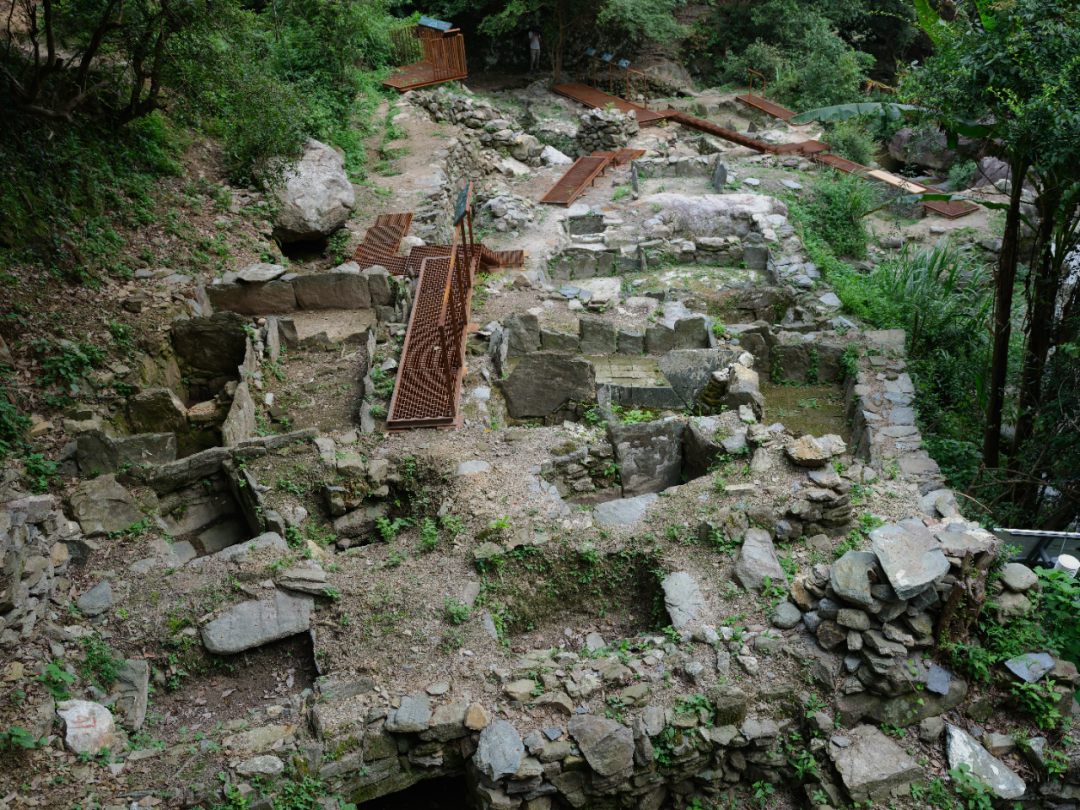
Located in Hutian Village on the outskirts of Jingdezhen, this is one of the longest-operating kiln sites in Chinese history, with continuous production from the Five Dynasties period (10th century) through the Ming dynasty, spanning over 700 years.
Hutian was one of the earliest kilns in southern China to successfully produce white porcelain. Its Song dynasty qingbai (bluish-white) ware set the standard for the entire qingbai kiln system, and its Yuan dynasty innovations in blue-and-white, underglaze red, and high-temperature colored glazes established Jingdezhen as the porcelain capital of China.
The site is spread across a landscape of kiln waste mounds, some dozens of meters thick, with remnants of horseshoe kilns, dragon kilns, and gourd kilns scattered throughout. It is about 4 km south of the city center.
3. Gaoling Kaolin Mine Site

Located between Dongbu Village and Gaoling Village in Fuliang County, about 45 km northeast of Jingdezhen. This is the site that gave kaolin its name. When French Jesuit missionary Pere d’Entrecolles described Jingdezhen’s porcelain production in the early 18th century, he used the local name “Gaoling” for the white clay, and the word entered every European language.
Archaeological excavations have identified three phases of mining activity: pre-mid-Qing ore veins, large-scale tailings from the mid-to-late Qing, and washing pools from the late Qing to Republican era. The site shows that industrial-scale kaolin extraction was already underway during the Qing dynasty.
Gaoling is in the same general area as Sanbao Village and can be combined with a trip to Yaoli Ancient Town.
4. Changling Porcelain Stone Mine Site
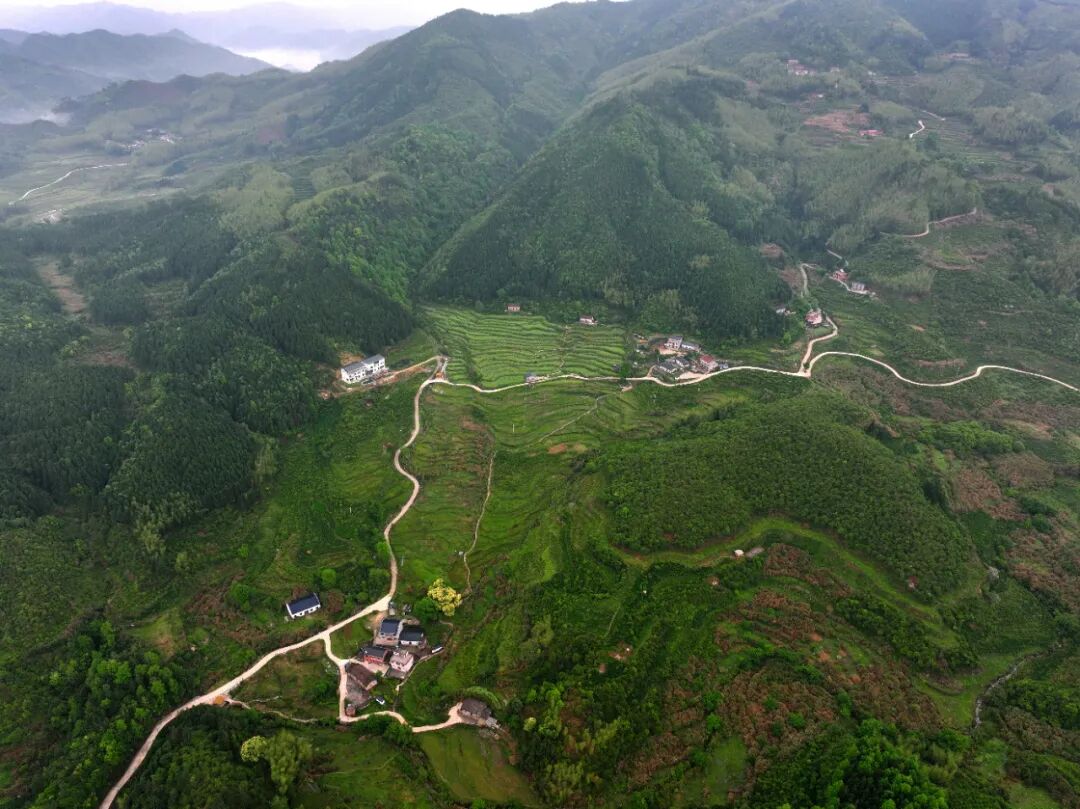
Deep in the mountains near Yaoli Town in Fuliang County, this site preserves the complete production landscape of porcelain stone mining: open-pit quarries, water-powered processing facilities along stream valleys, and short-haul transport routes.
The terrain itself is striking. Some sections feature massive stone ridges left behind after mining, others narrow into natural slot canyons, and huge tailings piles of waste granite show the sheer scale of extraction. The site demonstrates how Jingdezhen’s raw material supply chain operated: low-cost, standardized, and intensive.
This is a remote site best visited with a guide and private transport. It pairs naturally with Yaoli Ancient Town and the Gaoling mine.
5. Jiaotan Kiln Fuel Production Area

Located in Jiaotan Town, Fuliang County, this area preserves the infrastructure that supplied firewood to Jingdezhen’s kilns. It includes the Lifang Village woodland and historic building cluster, plus the Jianxi Creek water and land transport network that connected upstream timber production to the Chang River.
This is the least-visited component of the heritage designation, but it completes the story. Firing porcelain in wood kilns required enormous quantities of fuel, and a sustainable supply chain of managed forests, river transport, and clan-organized labor made it possible to maintain both production volume and environmental balance.
How to Visit
The town center sites (Imperial Kiln, museums, Longzhu Pavilion, Xu Family Kiln, Guanyin Pavilion, Luomaqiao, Sanlumiao Wharf, Xiangji Lane) are all walkable in the old city. A full day covers the highlights. Our Full-Day Guided Experience includes several of these sites with bilingual interpretation.
Hutian is a short taxi ride from the center (about 4 km south). Allow 1 to 2 hours.
Gaoling, Changling, and Jiaotan are in Fuliang County, 30 to 60 km from the city. These require a car and are best done as a day trip, ideally combined with Yaoli Ancient Town. For a custom itinerary that includes the outlying heritage sites, get in touch and we will plan the route and logistics.
Not all sites have English signage or visitor infrastructure. A guide who can read the Chinese labels and explain the archaeological context makes a significant difference, especially at Hutian and the mining sites.
Have a Question About This Trip?
Send us a quick note and we will get back to you.