
The Ancient Kiln Folk Customs Museum is one of the core sites in Jingdezhen’s UNESCO World Heritage inscription, recognized in July 2026.
Before you go, it helps to know how Jingdezhen porcelain is made, from clay to kiln.
Not a Typical Museum
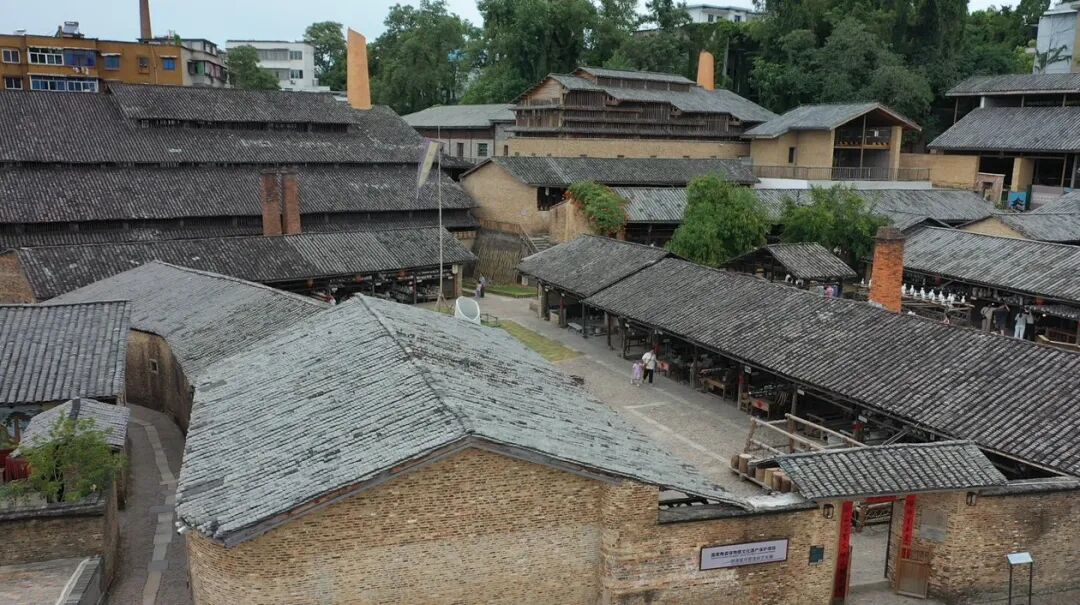
The Ancient Kiln Folk Customs Museum (古窑民俗博览区) is the single most important site in Jingdezhen. But calling it a museum undersells it. It’s more like an open-air working factory that happens to be a thousand years old.
Spread across a forested hillside, the site preserves kilns from the Song, Yuan, Ming, and Qing dynasties. These aren’t reconstructions — they’re original structures, some still functional. Artisans work here daily, producing porcelain using the exact techniques their predecessors used centuries ago.


What You’ll See
Working demonstrations. Potters throw on the wheel, carvers incise designs into leather-hard clay, painters apply cobalt blue decoration, and glazers dip finished pieces. Each step of the traditional 72-step porcelain process is demonstrated by a specialist. In old Jingdezhen, a single piece passed through dozens of hands before it reached the kiln — that division of labor is recreated here.


Historical kilns. The dragon kiln (龙窑) is the showstopper — a long, sloping tunnel kiln that climbs the hillside, the same design used since the Song dynasty. There are also gourd-shaped kilns (葫芦窑) from the Yuan period and egg-shaped kilns (镇窑) from the Qing dynasty. Each shape produced different firing characteristics and different types of porcelain.
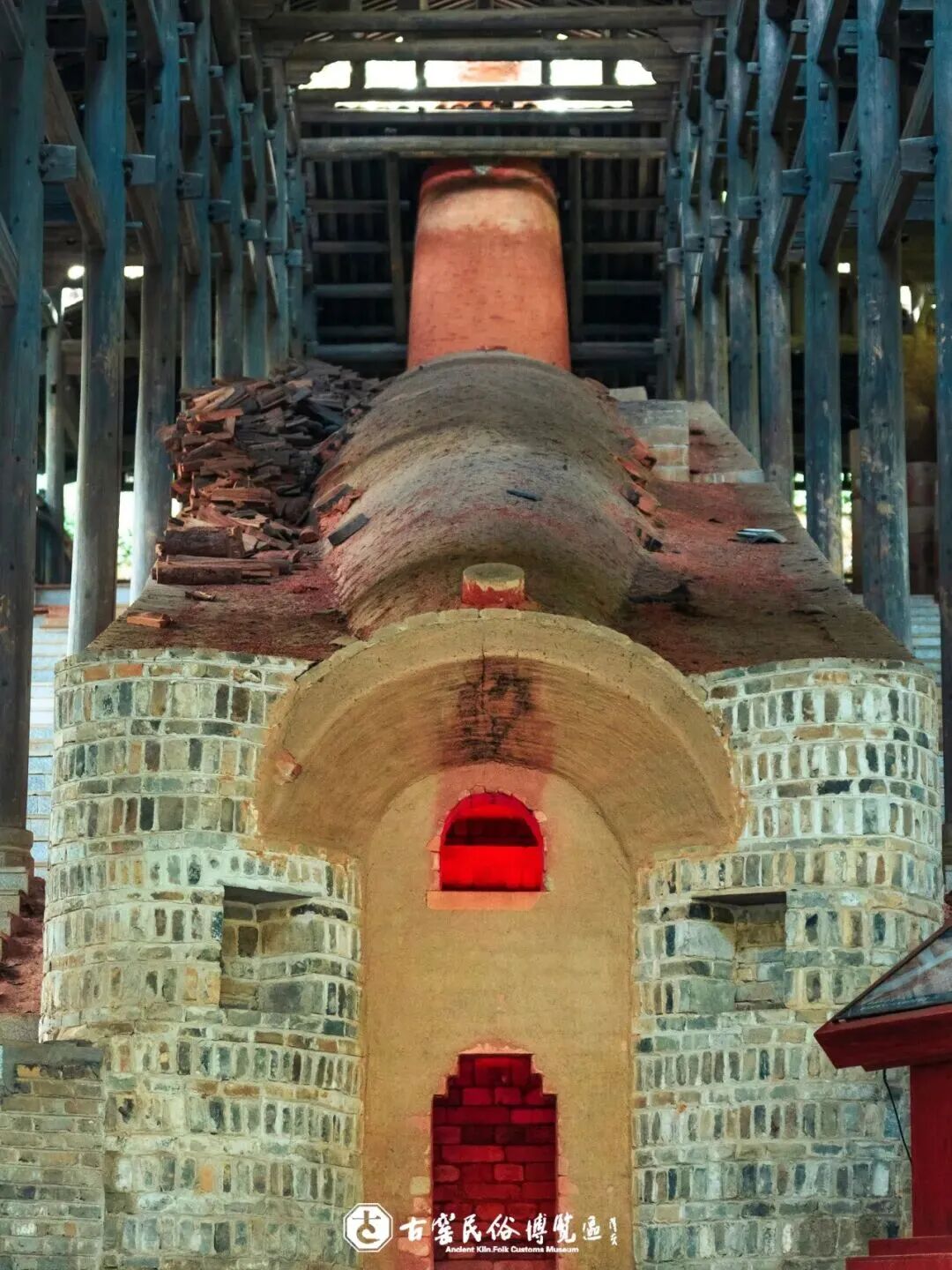
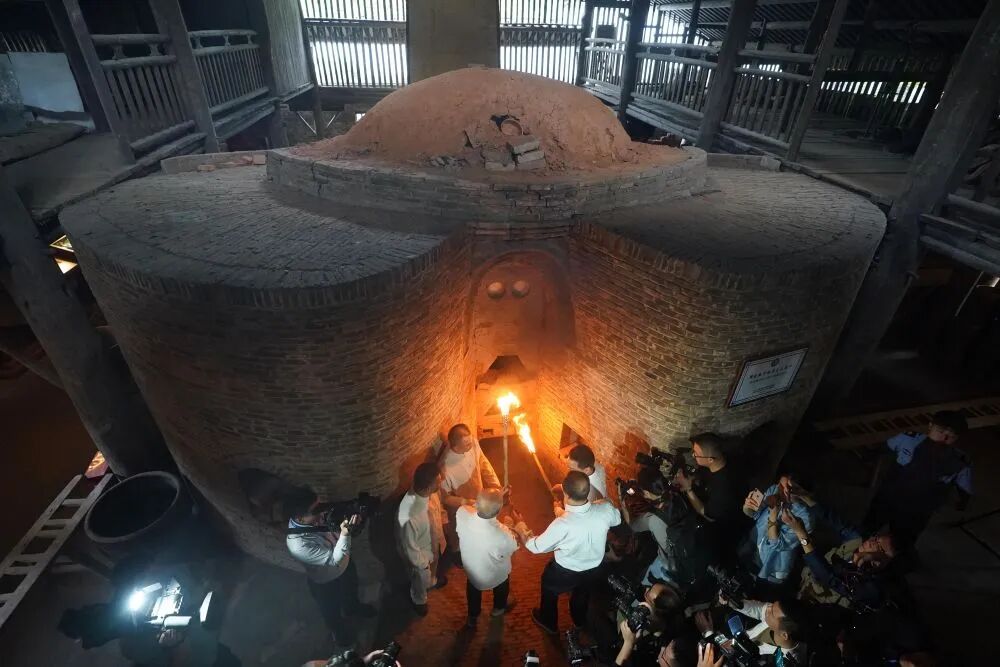
Kiln firings. The site still fires its kilns on a regular schedule. If you time your visit right, you can watch a traditional wood-firing — stokers feed pine logs into the kiln mouth while the temperature climbs past 1,300 degrees Celsius. Check with the museum or your guide for the firing schedule, as it varies by season.

A porcelain music performance. Yes, really. Musicians play instruments made entirely from porcelain — bowls tuned to different pitches, porcelain flutes, ceramic chimes. It’s a 15-minute performance that’s unique to Jingdezhen and surprisingly beautiful.



How Long to Spend
Budget 2 to 3 hours for a thorough visit. You can rush through in 90 minutes, but you’ll miss the rhythm of the place. The best approach is to watch each demonstration for a few minutes, ask questions (through a guide if needed), and let the process sink in.
If you’re a ceramicist or serious enthusiast, you could easily spend half a day. The artisans are often willing to talk about technique in detail, especially with a guide who can translate the conversation.
Practical Information
Entrance fee: Around 95 RMB (roughly $14). Tickets can be purchased at the gate or online.
Hours: Generally 8:00 AM to 5:00 PM daily. Arrive in the morning for the best light and fewer crowds.
Getting there: The museum is in the western part of the city. A taxi from central Jingdezhen costs about 15 to 25 RMB. There’s parking on site if you have a driver.
Language: Most signage is in Chinese with some English translations. The demonstration artisans speak Chinese only. Having a bilingual guide makes a significant difference here — the techniques have specialized vocabulary that translation apps handle poorly.
Visiting with a Guide
The Ancient Kiln is the first stop on our Full-Day Guided Experience. Your English-speaking guide explains each demonstration in context — not just what’s being done, but why this technique emerged, how it differs from other traditions, and what to look for in the finished piece. It transforms the visit from observation to education.
For a deeper dive, a custom itinerary can pair the Ancient Kiln with studio visits to working potters who use the same traditional methods in their own practice.
Have a Question About This Trip?
Send us a quick note and we will get back to you.