
Last updated September 2026.
Jingdezhen was inscribed as a UNESCO World Heritage Site on July 25, 2026. Soon after, the city’s tourism authority announced five heritage routes, each built for a different kind of visitor. This guide puts all five in one place, so you can compare them and pick the one that fits your trip.
For the history behind each heritage site, see our guide to Jingdezhen’s five UNESCO heritage components. This page is about how to actually visit them.
The Five Routes at a Glance
| Route | Time needed | Best for | Car needed? |
|---|---|---|---|
| Core Heritage Highlights | Half a day to 1 day | First-time visitors, families | No, walkable |
| Porcelain Traditions & Customs | 1 day | Hands-on travelers, shoppers | No, in the city |
| Archaeological Discovery | 1 day | Historians, serious collectors | Yes, for Hutian and beyond |
| Ceramic Roots Discovery | 1 full day | Ceramics students, study trips | Yes, countryside |
| Deep Ceramic Culture | 3 to 5 days | Travelers giving Jingdezhen a real trip | For some days |
If you only have one day, do the Core Heritage Highlights Route in the morning and the Traditions & Customs Route in the afternoon. They’re both in the old town.
1. Core Heritage Highlights Route (One Day)
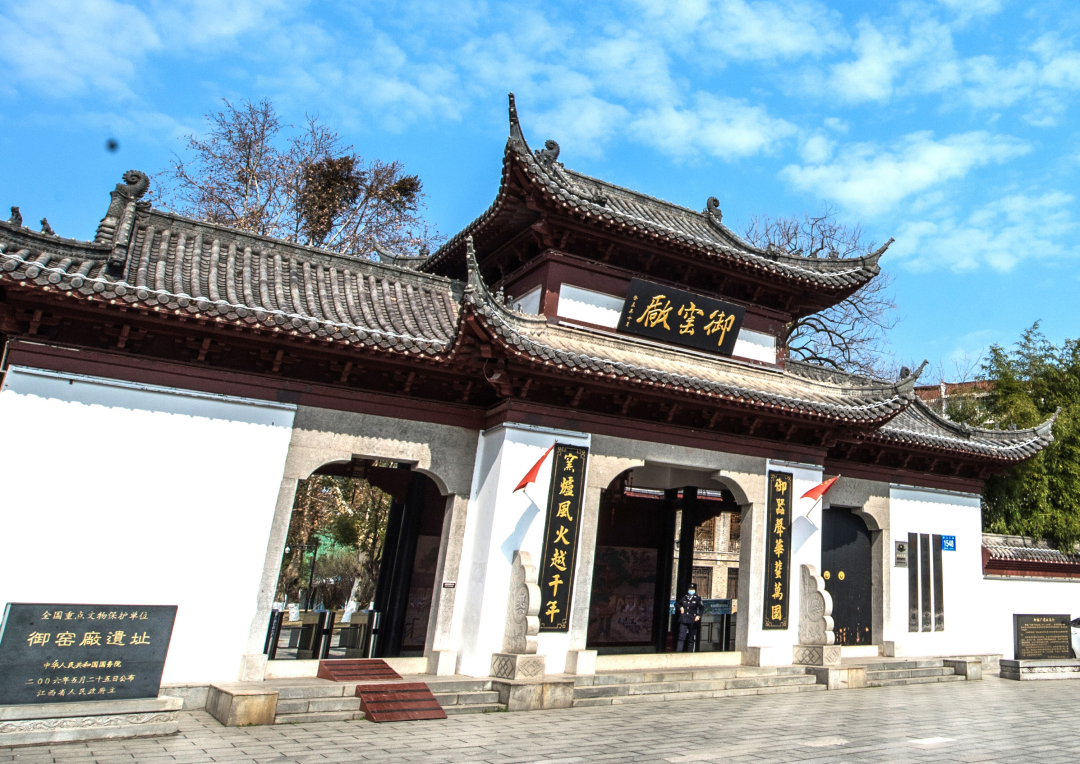
This is the route to take if you only have a morning or a day. It links the three most concentrated heritage sites in the old town, all within walking distance of each other.
- Imperial Kiln Site (御窑厂). The excavated foundations of the kiln complex that made porcelain only for the Ming and Qing courts for over five centuries.
- Longzhu Pavilion (龙珠阁). The landmark tower on Zhushan Hill, tied to the administration of imperial production.
- Xu Family Kiln (徐家窑). The oldest and most complete surviving wood-fired kiln in the city. It was relit in 2016 after decades dormant and still holds firing demonstrations.
Why this order works. The Imperial Kiln Site gives you the big picture: a royal commission at the top and a citywide workforce underneath it. Longzhu Pavilion, right next door, adds the administrative side. Xu Family Kiln closes the loop with a kiln that worked at production scale. On the way, you walk through the old artisan lanes of Taoyangli, where kiln workers and their families lived.
Good for. First-time visitors, families who want a manageable walk, and anyone passing through on a wider Jiangxi trip.
2. Porcelain Traditions & Customs Route (One Day, In the City)
Not all of Jingdezhen’s heritage is behind glass. A lot of it still happens in workshops and old merchant lanes. This route is built around that living side of the craft.
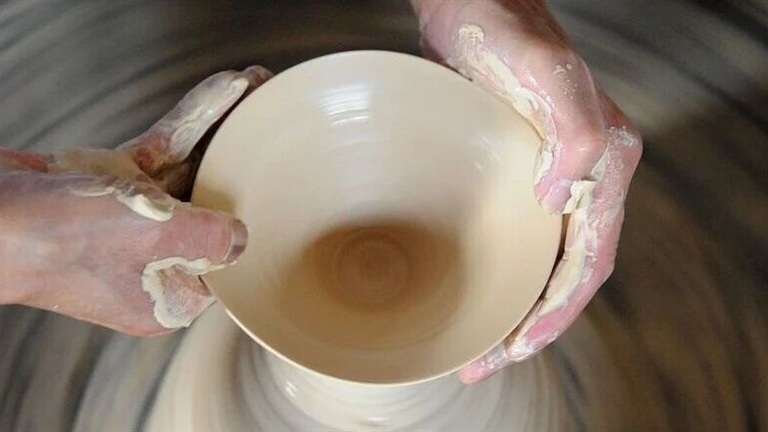
- The 72 steps of handmade porcelain. The classic breakdown of the whole process, from preparing clay to firing. Workshops in the Taoyangli district demonstrate individual steps in person.
- Ming and Qing merchant houses. Homes like the Xiangji Lane residences, built by porcelain traders who quietly pushed past the size limits set for civilian houses.
- Local craft customs. Practices tied to firing and quality that some workshop families still keep.
Why it’s different. It’s the only route that puts you in front of hand skills passed down for generations, without leaving the city. Several workshops along the way let visitors try a step themselves.
Good for. Families, travelers short on time who want something hands-on, and anyone planning to buy porcelain. Pair it with our porcelain price guide or one of the pottery classes for foreigners.
3. Archaeological Discovery Route (One Day)
Museums show you the finished, perfect pieces. This route shows you the evidence.
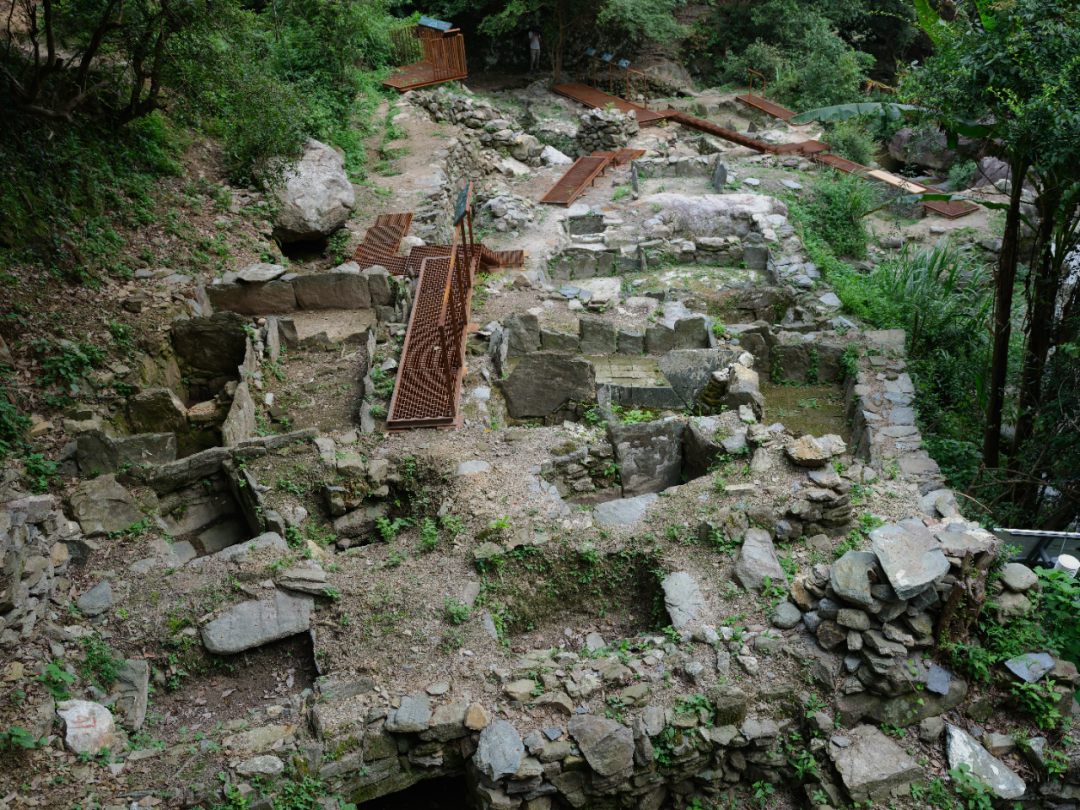
- Imperial Kiln excavation zones. The layers beneath the Imperial Kiln Site, where over 20 million porcelain fragments have been recovered. Many were smashed and buried on purpose after failing the court’s quality inspection.
- Hutian ancient kiln site (湖田古窑址). One of the longest continuously operating kiln complexes in China, with over 700 years of production from the Five Dynasties through the Ming. Its Song-dynasty qingbai (bluish-white) ware set the standard for a whole kiln system.
- Luomaqiao kiln site (落马桥窑址). A folk kiln area with layers from the late Northern Song to the late Qing, including export-ware fragments and a gourd-shaped kiln.
Good for. Academics, museum professionals and collectors who care about dating and provenance. Some sites are active research areas, and what you can see changes. Go with a guide who knows what’s currently open.
4. Ceramic Roots Discovery Route (Countryside, One Full Day)
Most visitors only ever see finished porcelain. This route shows you where it starts, in the ground.

- Gaoling kaolin mine (高岭). The place that gave the world the word “kaolin.” A French Jesuit missionary used the village’s name for its fine white clay in the early 18th century, and it spread into every European language. More in our Gaoling guide.
- Dongbu ancient dock and village. The river landing near Gaoling that moved raw material and goods in and out of the hills.
- Changling porcelain stone quarry. The source of the other half of Jingdezhen’s “binary formula.” Porcelain stone mixed with kaolin made a body strong enough for both eggshell-thin cups and huge dragon jars.
- Jiaotan kiln-fuel forest. The managed woodland that supplied firewood to the kilns for centuries, with the creeks used to float it downstream.
Why it matters. UNESCO’s inscription names the binary formula as one of the innovations that makes Jingdezhen globally significant. This route walks you through that material chain in order.
Good for. Ceramics students and study trips. The sites are spread across Fuliang County, with no English signs, so you’ll need a car. It also works well before a studio session, since knowing where the clay comes from changes how the wheel feels.
5. Deep Ceramic Culture Route (3 to 5 Days)
This is the route for travelers who’ve decided Jingdezhen deserves a real trip. It’s the only one that combines heritage sites, museums, contemporary art districts and countryside.
- Imperial Kiln Museum. Built over the excavated kiln ruins by architect Zhu Pei.
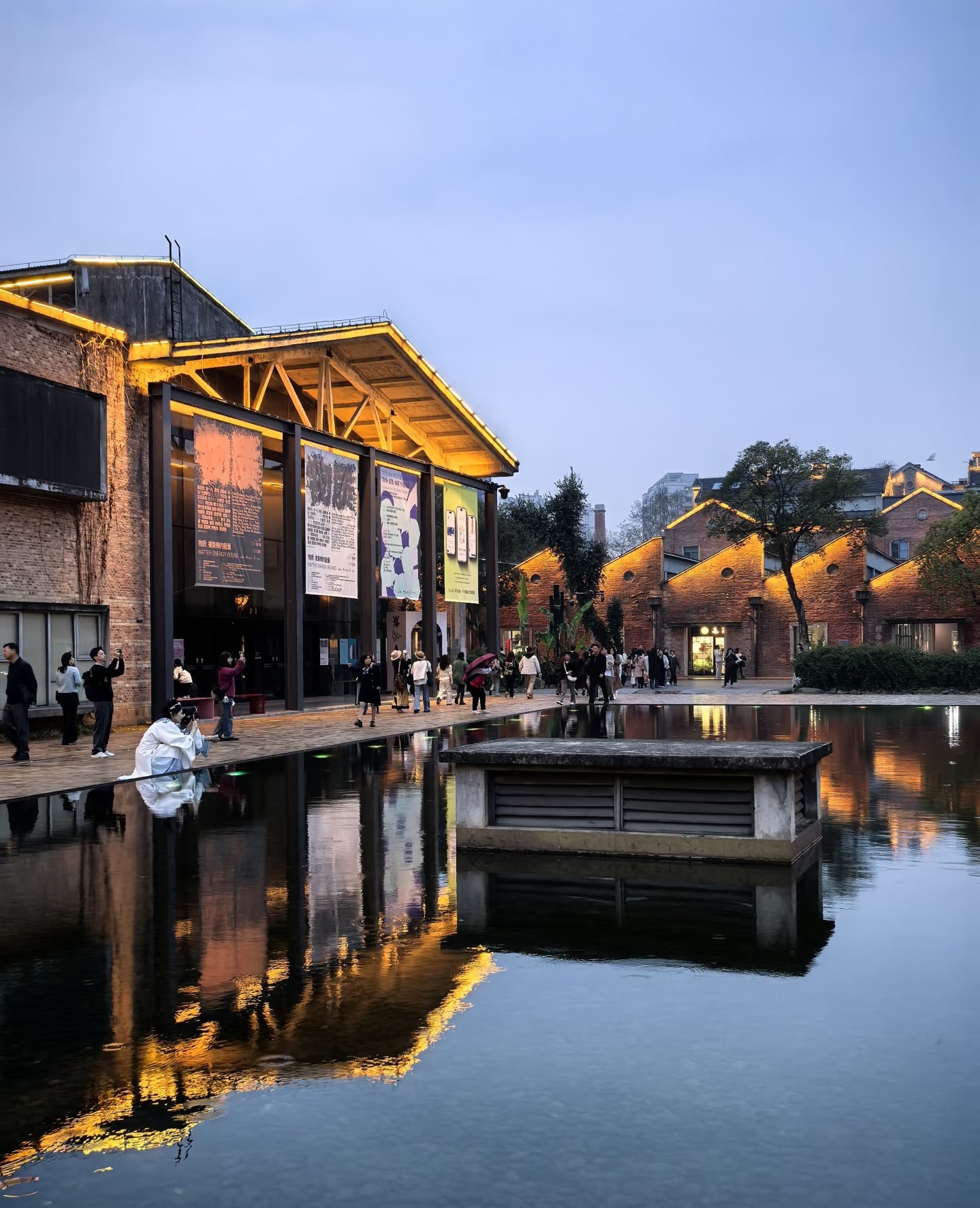
- Taoxichuan (陶溪川). A former state porcelain factory, now the city’s contemporary arts district, with galleries, studios and night markets. See our Taoxichuan guide.
- Sanbao Ceramic Art Village (三宝). A rural creative community where resident artists work. See our Sanbao guide.
- Gaoling and Yaoli (瑶里). The kaolin heritage site paired with Yaoli’s mountain villages, a slower close to the trip.
Good for. Travelers with three or more days, collectors who want time in Taoxichuan’s markets, and anyone combining a heritage trip with a studio stay. If you’ve read our 2-day itinerary, this is what to do with the extra days.
How to Combine the Routes
- One day. Core Heritage Highlights in the morning, Traditions & Customs in the afternoon.
- Two days. Add the Ceramic Roots Route as a countryside day.
- Three to five days. Follow the Deep Ceramic Culture Route and slot in archaeological stops that interest you.
Tips for Doing the Routes
- Very few of these sites have English signs. The difference between an imperial shard pit and a civilian one isn’t obvious without context.
- The Imperial Kiln Museum requires advance booking. Our reservation guide walks you through it.
- The two countryside routes need a car or driver for the day. Taxis won’t wait for you at remote sites.
Frequently Asked Questions
Which heritage route is best for a first visit?
The Core Heritage Highlights Route. It covers the Imperial Kiln Site, Longzhu Pavilion and Xu Family Kiln on foot in a day or less.
Can I do the routes without a guide?
The two city routes, yes, though you’ll miss a lot of context. The archaeological and countryside routes are hard without a guide and a car.
How many days do I need in Jingdezhen?
One day covers the highlights. Two to three days lets you add the countryside. Five days is enough for the full Deep Ceramic Culture Route.
Plan Your Route With Us
Our Full-Day Guided Experience covers the Core Heritage Highlights and Traditions & Customs routes with a private, English-speaking guide. For the countryside or a multi-day trip, ask for a custom itinerary and we’ll build it around the routes that fit you.
Have a Question About This Trip?
Send us a quick note and we will get back to you.