
Hangzhou gets people for West Lake, and it should — it’s one of the genuinely essential stops in eastern China. But most itineraries treat Hangzhou as a two-day box to check before moving on to the next big name, when it’s actually sitting about two hours by high-speed train from somewhere almost nobody adds on.
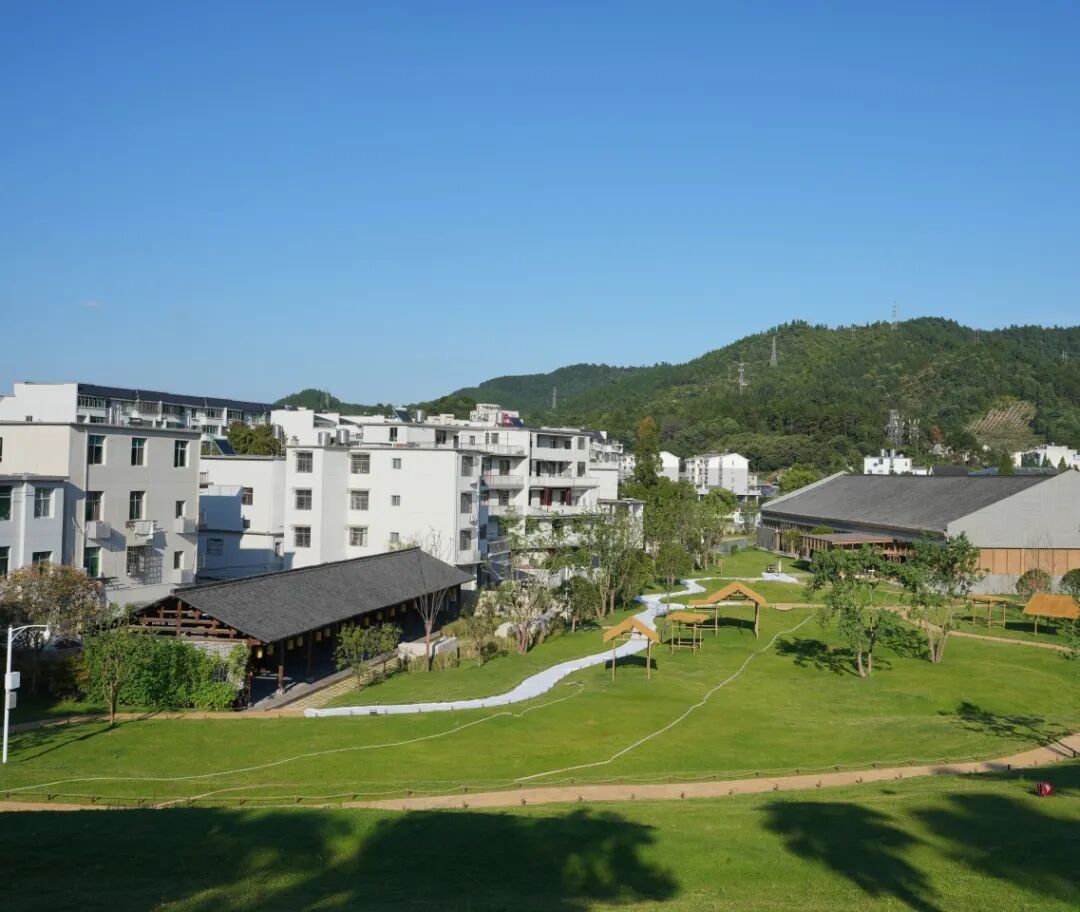
If you have any flexibility in your route, Jingdezhen is worth the extension.
The Practical Case
Direct high-speed trains run between Hangzhou (mostly from Hangzhou West, some from Hangzhou East) and Jingdezhen North roughly 15 to 17 times a day, with a fastest journey time of just under two hours. Second-class tickets run from around ¥130 depending on the train and how far ahead you book; first class runs higher. This isn’t a remote add-on requiring a transfer or a full travel day — it’s a single direct ride, similar in length to a lot of intra-city commutes people don’t think twice about.
Because it’s not a quick hop the way Huangshan to Jingdezhen is, we wouldn’t recommend trying to do it as a same-day round trip. Budget it as a genuine extension: one or two extra nights added to a Hangzhou-based trip, not a day trip squeezed in between hotel checkouts.
Why the Contrast Works
Hangzhou’s appeal is calm and cultivated — West Lake at dawn, tea fields around Longjing village, a city that’s been refined for tourism and leisure for centuries. Jingdezhen is the opposite kind of interesting: unpolished, working, a city that exists because of one craft and still runs on it. You’ll trade lakeside strolls for kiln smoke and wet clay.
Put them back to back and you get two very different registers of “traditional China” in one trip, rather than two versions of the same postcard.
What This Looks Like in Practice
A reasonable version of this trip: finish your Hangzhou days, take a late-morning train to Jingdezhen North, and arrive with the afternoon and evening still ahead of you. Spend the next full day at the Ancient Kiln Folk Customs Museum and a pottery studio, then close it out at Taoxichuan once the night market gets going. That’s a comfortable two-night addition before you continue on — whether that’s back through Hangzhou to catch a flight, or onward toward Huangshan, which is itself under an hour from Jingdezhen by train if you want to build a longer loop.
For the fuller breakdown of what a first day actually involves, our Is Jingdezhen Worth Visiting? guide covers who it’s for and what to expect in more detail.
The Part That Trips People Up
Jingdezhen doesn’t have Hangzhou’s English signage, English menus, or well-worn tourist infrastructure. That’s part of what makes it feel real, but it also means the ease of a Hangzhou trip doesn’t automatically carry over. If two hours of unplanned, un-guided time in a city where you can’t read the signs sounds like more friction than you want on a trip that’s otherwise been smooth, a private guide removes that variable entirely — someone to meet your train, run the day, and get you back on schedule. Our Custom Itinerary can be built specifically around a Hangzhou departure and return.
Quick Reference
Train: Hangzhou West (most trains) or Hangzhou East → Jingdezhen North, direct high-speed services, about 2 hours on the fastest trains, from roughly ¥130 second class.
Minimum time needed: Not a day-trip distance — plan on 2 nights minimum to make it worthwhile.
Can be combined with: Huangshan (under 1 hour further by train) for a longer eastern China loop.
Book ahead: Popular trains sell out around holidays; check 12306 or Trip.com before locking in your Hangzhou departure date.
West Lake will be in every photo album from this trip. Jingdezhen is the story people actually ask you to tell.
Have a Question About This Trip?
Send us a quick note and we will get back to you.