
Sanbao is part of the broader Jingdezhen ceramic ecosystem that earned UNESCO World Heritage status in July 2026.
What Is Sanbao?
Sanbao International Ceramic Art Village (三宝国际陶艺村) sits in a long, narrow valley about 20 minutes from downtown Jingdezhen. It started as an artists’ colony in the 1990s, hosting ceramic artists from around the world on residency programs. Today it has grown into something bigger: a mix of art studios, galleries, wabi-sabi cafes, local restaurants, and photo-worthy ceramic architecture spread along several kilometers of valley road.
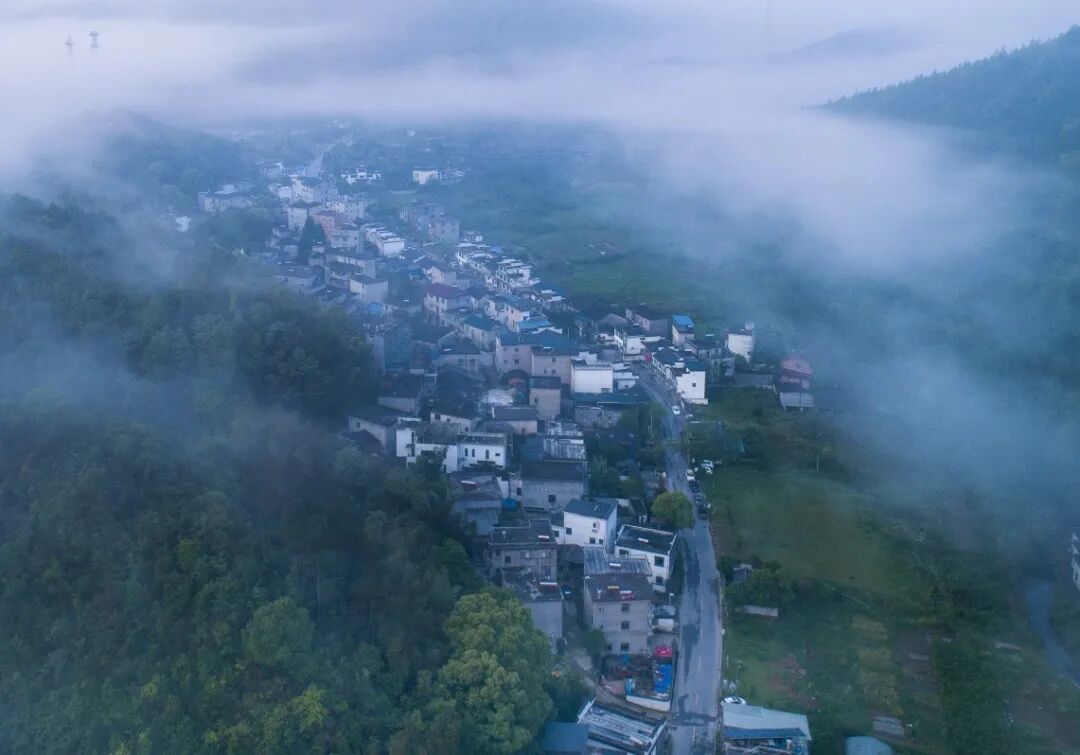
The village is built against the hillside, following a stream. Traditional wooden buildings sit alongside newer art spaces with red-brick walls embedded with old porcelain shards. The atmosphere is artsy and laid-back, somewhere between a working creative community and a curated cultural district.
Admission and Hours
Sanbao Village has no entrance fee. The entire village is open to the public for free. Some independent exhibition halls, private galleries (like Sanbaopeng Art Museum), or studios may charge separate fees for specific exhibitions or hands-on pottery experiences, but walking around and exploring costs nothing.
The village is open all day. Most shops, cafes, and exhibition halls operate from around 9:00 to 18:00.
What You’ll See
Sanbaopeng Art Museum. The first major attraction as you head into the village. The building features an iconic exterior wall that blends old porcelain shards with weathered, broken sections of red brick and rammed earth. In the afternoon, the light and shadow on this wall make for some of the best architectural photography in Jingdezhen.
The “Jingdezhen” Porcelain Shard Wall. This is the village’s most photographed spot. The characters 景德镇 are formed from a collage of blue-and-white and colorful porcelain fragments. In front of the wall you’ll find playful ceramic pieces like the “Shouqi Ping” (Venting Bottle) and “Tangying Ping” (Effortless Winner Bottle). It’s near the Xunwei Sanbao restaurant in the middle of the village.
Sanbao International Ceramic Art Village (Old Courtyard). The deepest section of the village preserves the original atmosphere of the artists’ retreat. Old pottery jars embedded in earthen walls, a crosswalk painted with blue-and-white porcelain patterns, and small wooden cabins along the mountain stream. This area is the best spot for quiet, artistic photos, especially in the late afternoon light.
Working Studios. Independent ceramic artists work in studios scattered throughout the village. You might see a potter throwing on a wheel, a sculptor building an installation, or an artist testing an unusual glaze formula. The old wood-fired kilns on site are still used. Photography is generally welcome in public areas, but ask before shooting inside someone’s working studio.
Can You Try Ceramics Yourself?
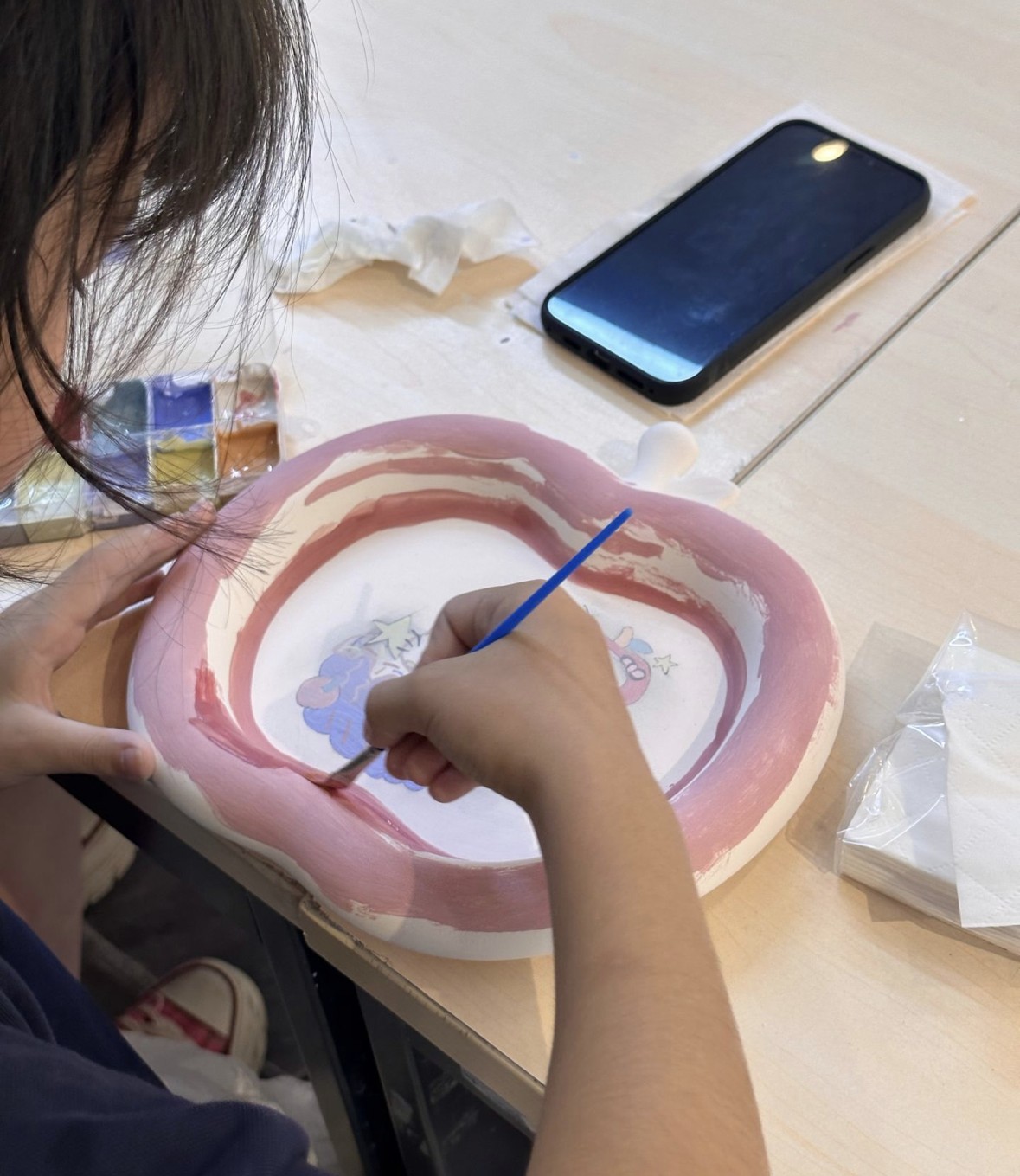
Yes — a number of studios along the valley take walk-in visitors, not just artists in residence. The most common option is a short blue-and-white painting session: you paint a raw porcelain piece with cobalt pigment under a teacher’s guidance, learning the basic “shuifen” (分水) shading technique that gives Jingdezhen blue-and-white its depth. A few studios go further and let you try the wheel or glaze a piece yourself. Just know the timeline before you commit to a piece: a fully wheel-thrown work usually takes three to five weeks to dry, glaze, and fire, while a piece you hand-paint onto a pre-made blank is often ready in about a week. Neither comes home with you the same day. For a full breakdown of what a session involves, pricing, and shipping options, see our guide to pottery classes for foreigners.
Not every studio offers this, and availability shifts day to day since these are working spaces, not classrooms. If you’d rather not gamble on it, we run a standalone Pottery Experience that arranges exactly this, or it can be folded into a custom itinerary.
Some visitors stay longer. We found one young potter a room upstairs and a studio downstairs, right here in Sanbao.
Where to Eat and Drink
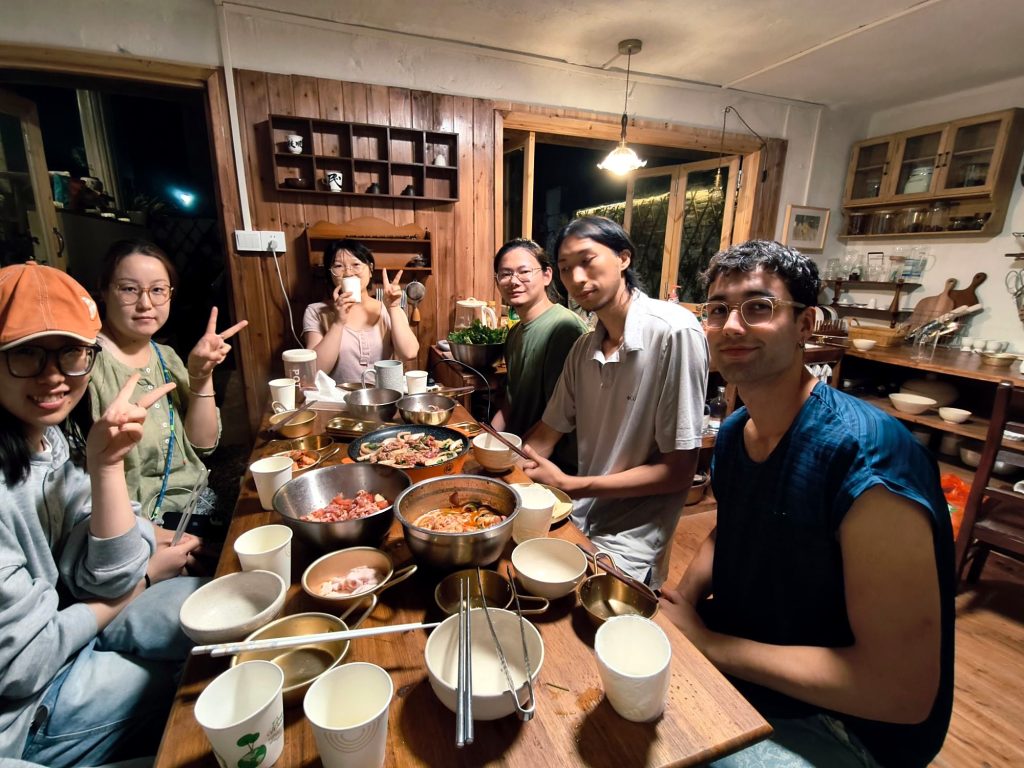
Xunwei Sanbao (寻味三宝). The top pick for authentic Jiangxi cuisine. Fish head stewed with douba (fermented bean cakes), green beans with eggplant, and local free-range chicken. Jiangxi food is spicy. If you can’t handle heat, tell the staff “wei la” (微辣, mild spice) when ordering.
Asakawa Noodle House (潜川面馆). Japanese-style noodle soups and tossed noodles in a quiet courtyard setting. The noodles are firm and the broth is rich. Good option for a quick, satisfying lunch.
Bukongshan (不空山). A wabi-sabi style tea house and cafe. The courtyard has flowing water, greenery, and stone seating. Inside, high ceilings and floor-to-ceiling windows facing the courtyard create a space that feels like stepping into Kyoto. One of the best places to sit and decompress during the afternoon heat.
Asakawa Coffee (潜川咖啡). Next to the noodle house, another beautiful Japanese courtyard aesthetic. Window seats with excellent natural light. Hot lattes are served in rustic, handmade stoneware cups.
9494 Aesthetic Space (9494美学空间). Near the village entrance, combining art exhibitions with a leisure space. Known for its made-to-order, kiln-fired thin-crust pizzas. A large, friendly dog often greets guests at the door.
Local snacks. Wander the traditional lanes and try Jingdezhen’s cold noodles (冷粉, chewy and refreshing) or jianshuibaba (碱水粑, savory alkaline rice cakes).
Suggested Route
Sanbao stretches along a valley for several kilometers. The terrain rises as you go deeper. Walking the entire route is tiring, so rent an electric scooter at the entrance (about 30 RMB per day) or take the village sightseeing shuttle. The smartest way to visit: head straight in from the entrance, explore stop by stop, and take a shuttle or DiDi back from the far end. No backtracking needed.
A comfortable half-day route: Start at 9494 Aesthetic Space near the entrance for a drink or pizza. Continue to Sanbaopeng Art Museum for the ceramic walls. Walk deeper to the “Jingdezhen” porcelain shard wall for photos. Lunch at Xunwei Sanbao or Asakawa Noodle House. Afternoon tea at Bukongshan or Asakawa Coffee when the sun is strongest. End at the Old Courtyard area for quiet photos by the stream, then shuttle or taxi back.
To avoid crowds at the popular photo spots, visit before 10:00 or after 16:30. Holidays and weekend afternoons are the busiest.
How to Get There
Open in Google Maps · 三宝国际陶艺村
Sanbao is about a 20-minute drive from central Jingdezhen. Take a DiDi or taxi (25 to 40 RMB one way). Tell the driver “Sanbao” (三宝) or show the characters on your phone. Getting back is easier than you might expect: you can hail the village’s green sightseeing shuttle from the roadside at the far end or book a DiDi from within the village.
If you’re joining one of our guided experiences or a custom itinerary, we include Sanbao with a guide who knows which studios are open and worth visiting that day.

Practical Tips
Wear sneakers or flat shoes. Many paths are gravel or uneven stone steps. For photos, cotton-linen clothing in neutral tones or white works well with the village architecture. Allow a half day for a comfortable visit with food and coffee stops. If you only have an hour, focus on the Sanbaopeng Art Museum and the porcelain shard wall.
Staying more than a day? Our 5-day Jingdezhen itinerary starts in Sanbao, and if you want to make work here for weeks, read how we found one potter a room upstairs and a studio downstairs.
Have a Question About This Trip?
Send us a quick note and we will get back to you.