
China now has 61 UNESCO World Heritage Sites, more than almost any other country on earth. The newest one was inscribed in July 2026, and it isn’t a palace, a mountain, or a stretch of the Great Wall. It’s a porcelain-making tradition.
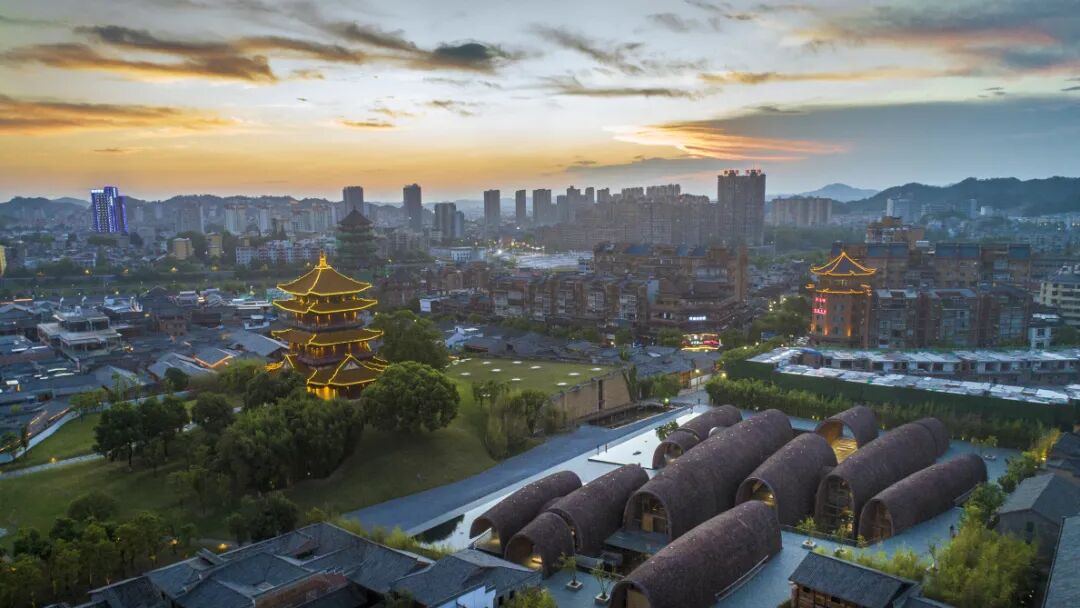
The Jingdezhen Handicraft Porcelain Industry Sites became China’s 61st World Heritage Site at the 48th session of the World Heritage Committee, one of 25 new properties added worldwide that year. It’s the first porcelain-related site ever to receive the designation — recognition for over a thousand years of continuous production that’s still happening in the same city today, not preserved behind glass but ongoing in working studios and kilns.
If you’re planning a China trip around UNESCO sites — a genuinely good way to structure a trip, since the list skews toward exactly the places worth the detour — here’s where Jingdezhen fits among the rest.
Jingdezhen: What Actually Earned the Listing
The inscription covers five areas across the city and surrounding valleys, tracing the full arc of how Jingdezhen porcelain gets made: the kaolin clay quarries, the historic kiln sites, the workshop districts, and the trade routes that carried finished pieces out to the rest of the world for centuries. Unlike a lot of heritage sites that preserve a single moment in time, this one recognizes a living, continuous industry — the same 72-step process still practiced by working artisans today.
You can see it firsthand at the Ancient Kiln Folk Customs Museum, where wood-fired kilns still operate using centuries-old methods, or by sitting down at a wheel yourself. If you want the full case for visiting, we’ve made it in detail in Is Jingdezhen Worth Visiting?
The Rest of the List: Highlights by Category
Sixty-one sites is too many to plan around at once, so here’s a working cross-section — the names most worth knowing if you’re building a heritage-focused itinerary.
Cultural Landmarks
The Great Wall. The Forbidden City in Beijing (paired with the Mukden Palace in Shenyang). The Mausoleum of the First Qin Emperor, home to the Terracotta Warriors. The Mogao Caves at Dunhuang, with over a thousand years of Buddhist cave art along the old Silk Road. The Potala Palace complex in Lhasa. The Temple of Heaven and Summer Palace in Beijing.
Historic Towns & Villages
The Ancient City of Pingyao in Shanxi, the best-preserved walled city in the country. The Old Town of Lijiang in Yunnan. The Ancient Villages in Southern Anhui — Xidi and Hongcun, the Huizhou-style villages that show up in half the postcards of rural China. The Fujian Tulou, the circular earthen dwellings built by the Hakka people. Quanzhou, inscribed in 2021 as the starting point of the maritime Silk Road.
Natural Wonders
Jiuzhaigou Valley, with its terraced turquoise lakes. Zhangjiajie and the wider Wulingyuan Scenic Area, the sandstone pillar landscape that inspired the floating mountains in Avatar. The South China Karst, spanning Guilin and several other regions. The Sichuan Giant Panda Sanctuaries. The Three Parallel Rivers of Yunnan Protected Areas.
Mixed Cultural & Natural Sites
Mount Taishan, the most sacred of China’s five great mountains. Mount Huangshan, better known internationally as Yellow Mountain, and — conveniently — under an hour from Jingdezhen by high-speed train. See our guide to combining the two if you’re routing through both. Mount Emei and the Leshan Giant Buddha in Sichuan.
How to Actually Use This
Don’t try to see all 61. Pick a region and let the UNESCO sites cluster your itinerary for you: eastern China gives you Huangshan, Jingdezhen, and the Anhui villages within a few hours of each other by train. Southwestern China gives you Zhangjiajie, the karst landscapes, and the panda sanctuaries. Treat the full list as a reference, not a checklist — the official record, updated as new sites are added, is maintained by UNESCO’s World Heritage Centre.
If eastern China is your region, Jingdezhen is the newest name on the list and, right now, still one of the least visited. That combination doesn’t last long once a site like this gets more attention. If you want to plan a visit while it still feels uncrowded, our Full-Day Guided Experience and Custom Itinerary are built specifically around seeing it properly, not just passing through.
Have a Question About This Trip?
Send us a quick note and we will get back to you.