
Jingdezhen was designated a UNESCO World Heritage Site in July 2026. For ceramic artists considering a residency or studio time here, the timing couldn’t be better.
Why Artists Come to Jingdezhen
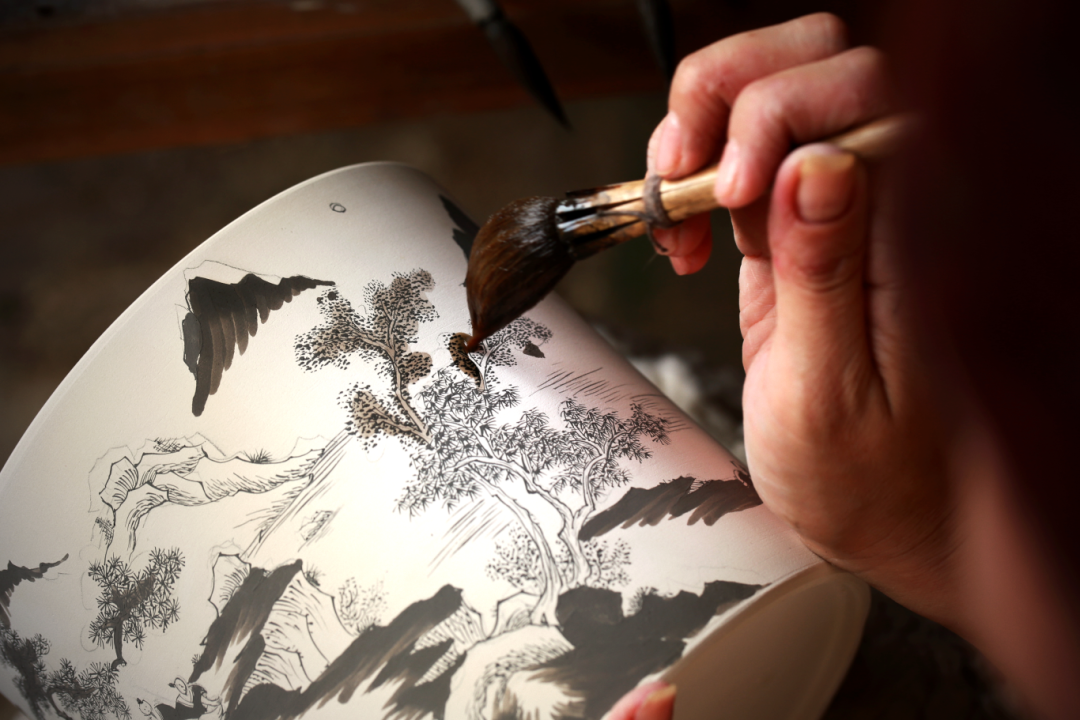
Jingdezhen has something no other ceramics city in the world can match: a complete ecosystem. Raw materials, specialist suppliers, master artisans, firing facilities, exhibition spaces, and a built-in audience of buyers and collectors — all within a few square kilometers. For ceramic artists, working here means access to skills and infrastructure that would take years to build elsewhere.
The city has attracted international artists for decades. Today, on any given week, you’ll find potters from Japan, Korea, the US, the UK, Australia, and across Europe working in Jingdezhen studios alongside Chinese colleagues. The art world calls it the “ceramic Mecca” — and that comparison isn’t much of a stretch.
Residency Programs
Taoxichuan Art Center runs the largest international program in the city, with funded and self-funded tracks. Our Taoxichuan residency guide covers how it works and how to apply.
Sanbao International Ceramic Art Village is the most established residency. Located in a bamboo valley outside town, it hosts artists for stays of two weeks to several months. Residents get studio space, accommodation, access to kilns, and interaction with other visiting artists. Applications are typically submitted months in advance. See our Sanbao guide for more.
Pottery Workshop (PWS) runs programs aimed at international ceramicists, including structured courses and open studio time. They have facilities in the Sculpture Porcelain Factory area.
Jingdezhen Ceramic University (景德镇陶瓷大学) offers exchange programs and short courses for visiting artists and students. The university is the academic heart of China’s ceramics world and a good way to connect with the next generation of Chinese potters.
Several smaller, private studios also rent space to visiting artists on informal arrangements. Ask around once you’re in the city — the community is well-connected and word-of-mouth is the primary referral system.
Renting Studio Space
If you’re not doing a formal residency, you can rent studio space independently. The Sculpture Porcelain Factory area and neighborhoods around Taoxichuan have studios available for monthly rental, typically 1,500 to 5,000 RMB ($200 to $700) per month depending on size and equipment. Some come with wheels and basic tools; others are empty rooms you outfit yourself.
For short stays (a few days to a week), many studios will rent a wheel and workspace by the day. Prices vary, but expect 100 to 300 RMB per day including basic materials.
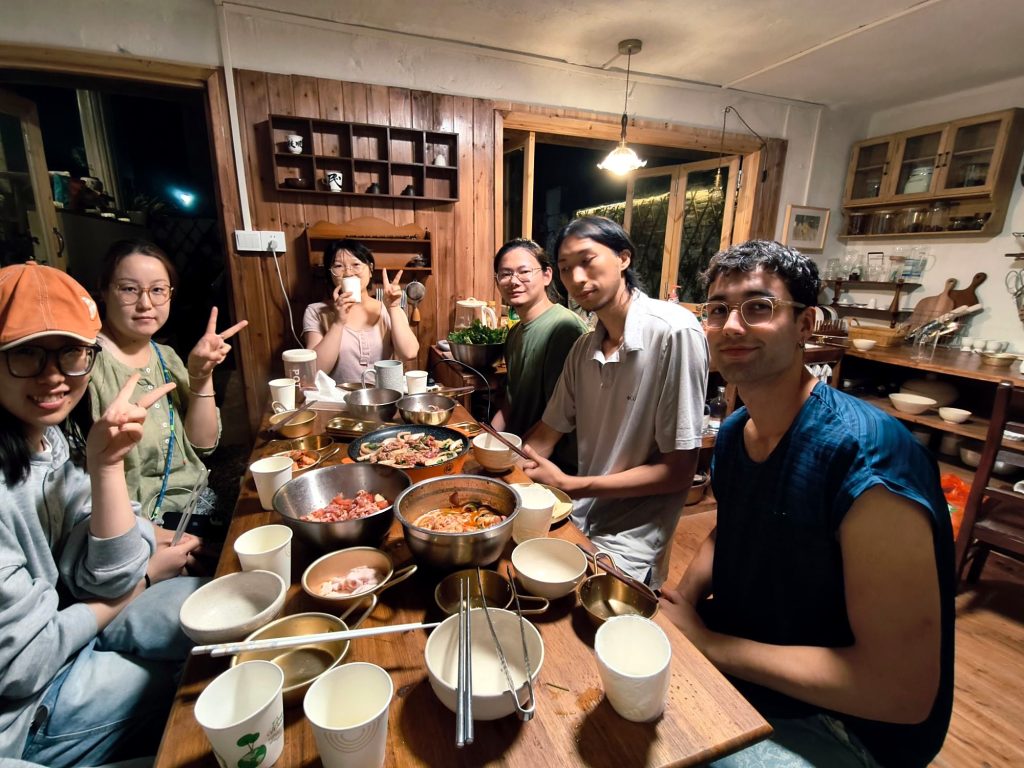
Here’s what renting looked like for one young potter who came for a month.
Materials and Suppliers
This is where Jingdezhen truly shines. The city has dozens of clay suppliers, glaze chemical shops, tool makers, and kiln builders. The main ceramics supply street has everything from raw kaolin to pre-mixed glazes to custom-cut kiln shelves. Prices are a fraction of what you’d pay in Western countries.
If you don’t speak Chinese, navigating these suppliers is the biggest challenge. Having a local contact or guide who understands ceramic terminology in both languages can save you days of confusion.
Firing Services
You don’t need your own kiln in Jingdezhen. Commercial firing services are available throughout the city. You bring your pieces, specify the temperature and atmosphere (oxidation or reduction), and pick them up a few days later. Gas kiln firings cost roughly 3 to 8 RMB per piece depending on size. Wood-firing is more expensive and less common but available through connections in the artist community.
The Social Scene
Jingdezhen’s artist community is surprisingly international and social. Cafes around Taoxichuan and the Sculpture Factory area serve as informal meeting spots. Gallery openings happen regularly. The night market is both a commercial space and a social one — you’ll see the same artists there week after week.
If you’re visiting for the first time and want to get oriented quickly, a custom itinerary focused on the artist community can connect you with the right studios, suppliers, and people. We’ve introduced visiting artists to local masters who became long-term collaborators.
How Long to Stay
A week gives you time to find your bearings, visit key sites, and do some studio work. Two to four weeks lets you develop a rhythm and start producing seriously. Many international artists come for two to three months and return annually. The cost of living is low enough that extended stays are financially feasible for most working artists.
Have a Question About This Trip?
Send us a quick note and we will get back to you.