
Imperial Kiln Site & Museum

UNESCO core zone · Old city center

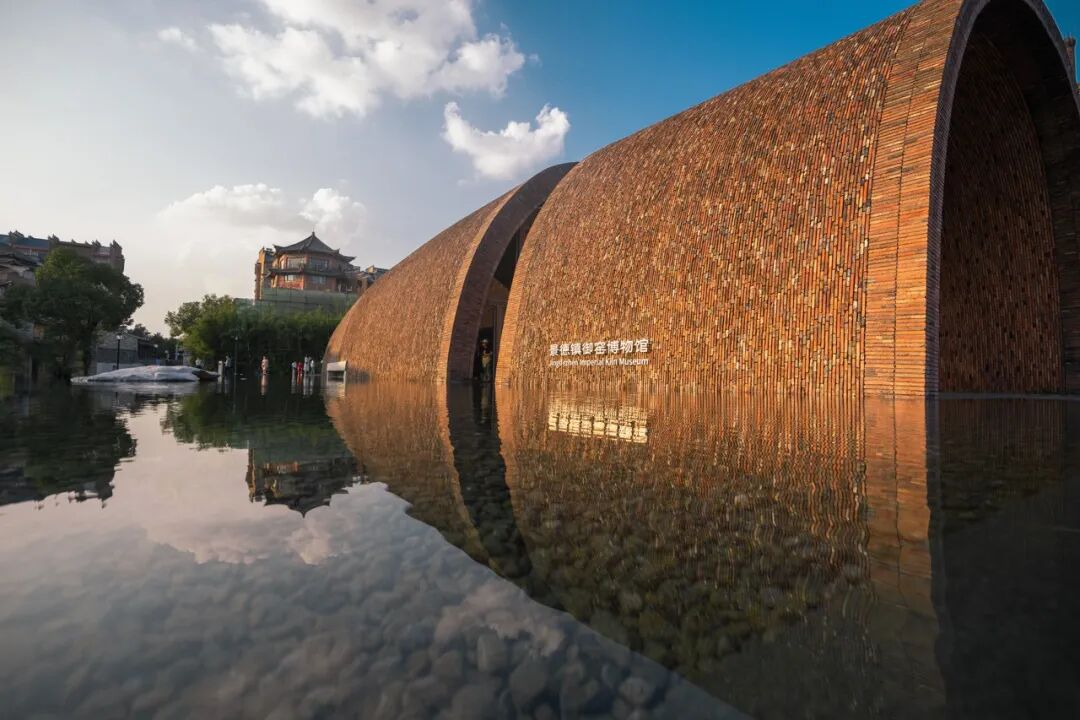
Aerial view of Jingdezhen's imperial kiln museum district with the ancient kiln brick stacks

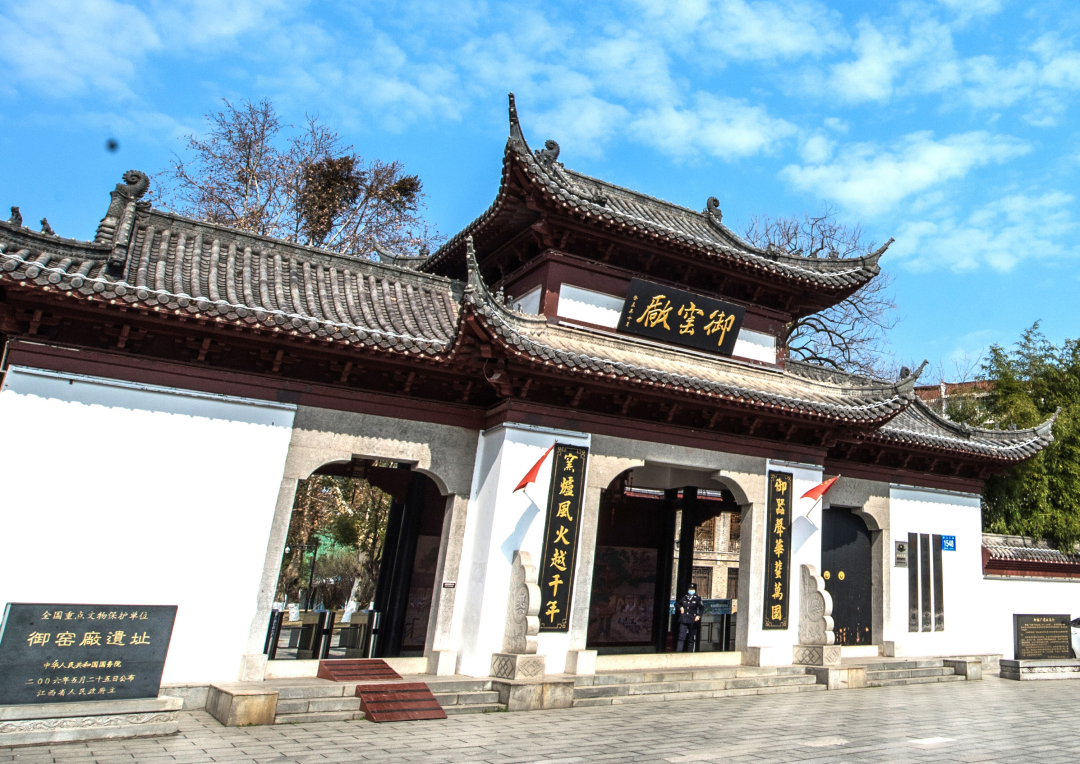
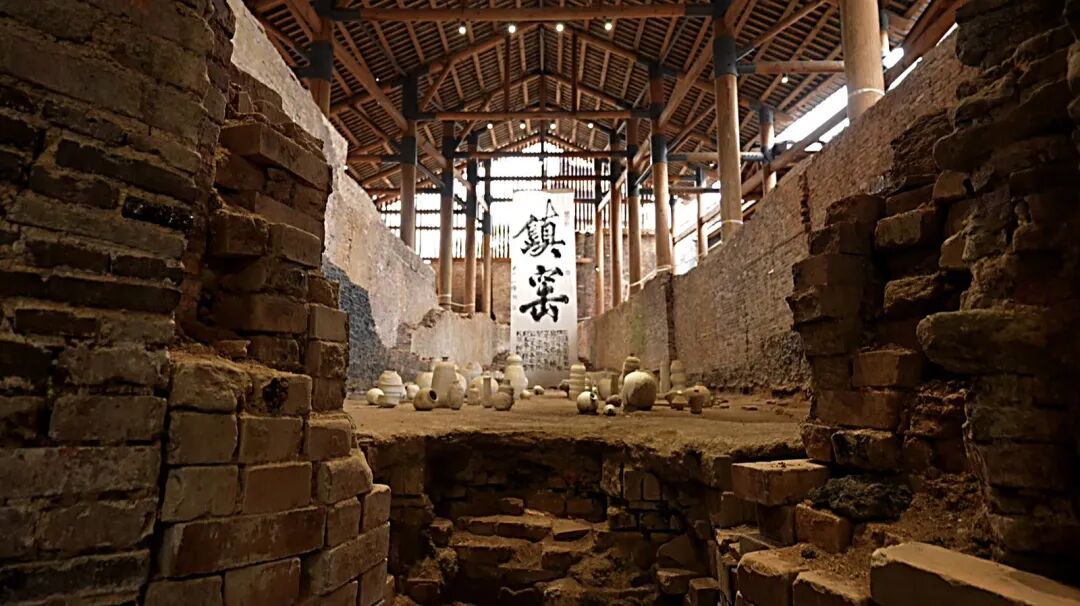
Founded in 1369 on Zhushan Hill by the Ming emperor Zhu Yuanzhang, the Imperial Kiln was the only facility authorized to produce porcelain for the royal court—for 542 years, across two dynasties and 27 emperors. Archaeologists have recovered over 20 million porcelain fragments here, and roughly 95% of the ceramic pieces in Beijing’s Forbidden City originated at this one site.

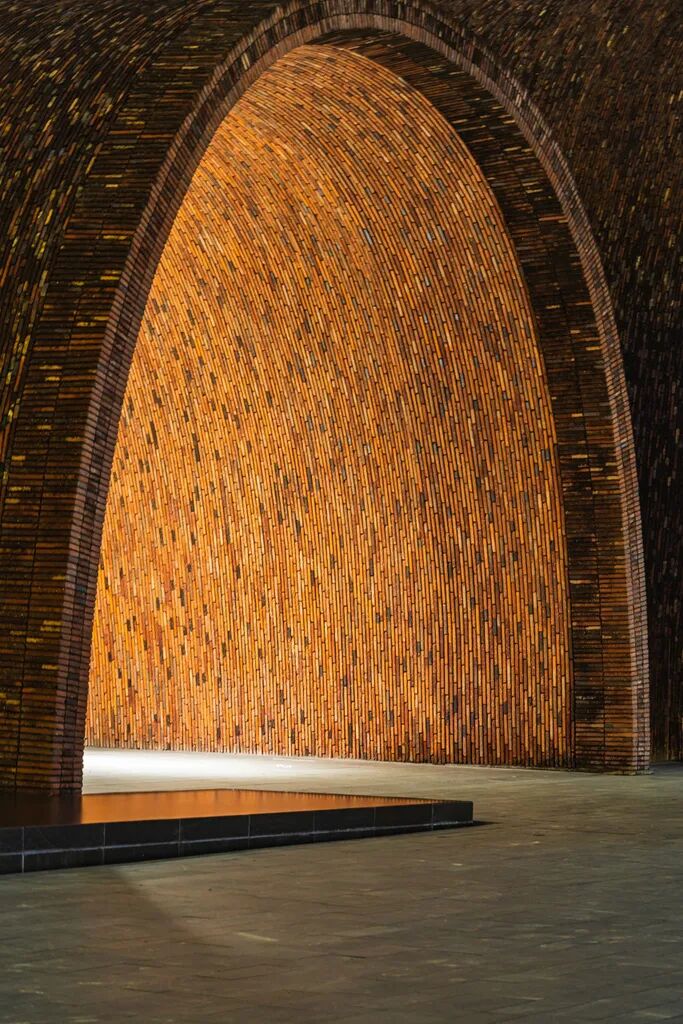
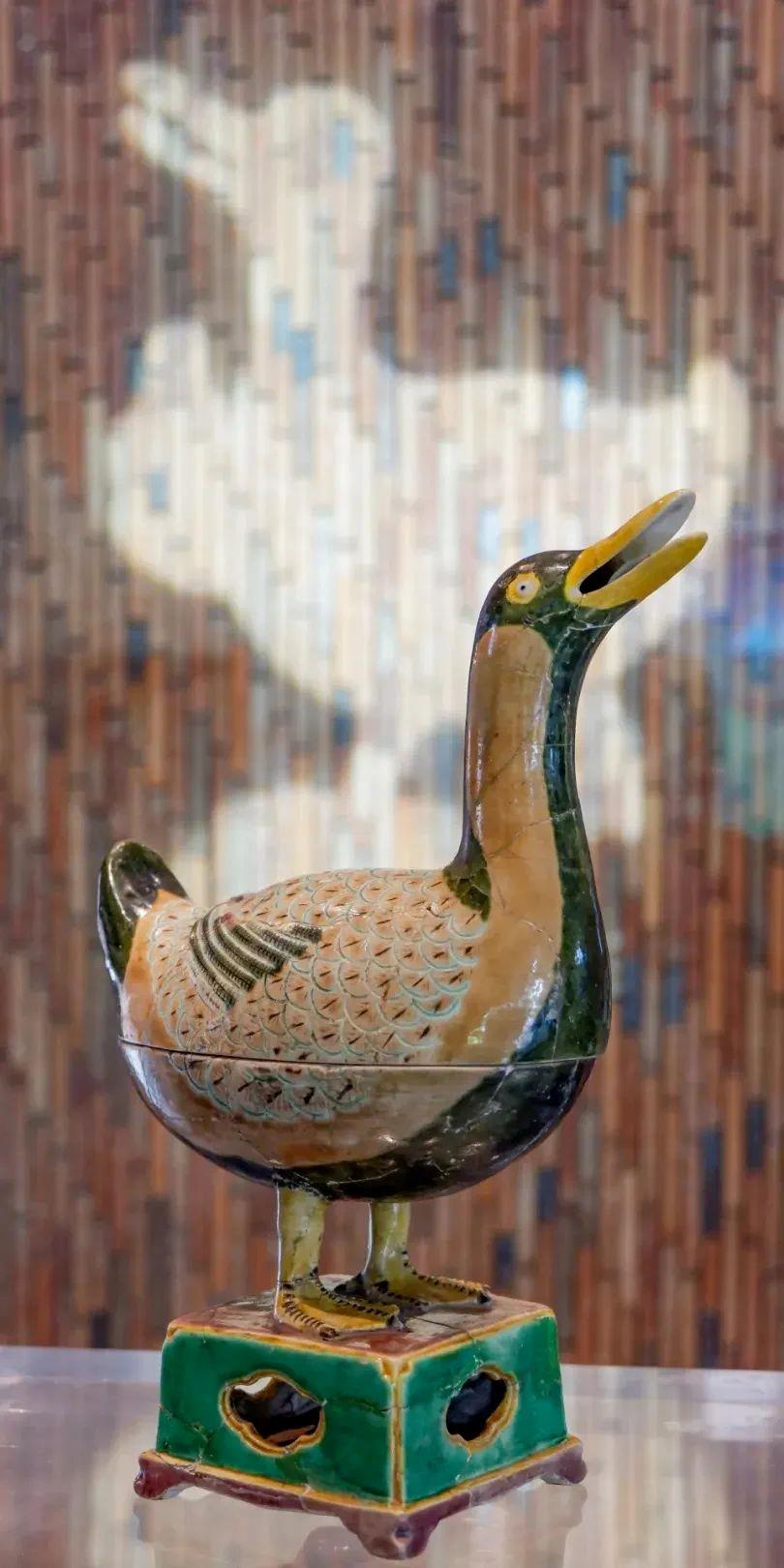
The adjacent museum, designed by architect Zhu Pei from 900,000 reclaimed kiln bricks, sits directly over the excavation. Its most famous piece, the “Suisui Duck,” is a Ming-era incense burner reconstructed from over 60 fragments—originally destroyed for failing imperial quality inspection, buried, and rediscovered six centuries later.

Good to Know

  • Status: Core zone of Jingdezhen’s UNESCO World Heritage inscription (July 2026)
  • Suggested time: 1.5–2 hours
  • Highlights: 13-meter-deep archaeological layers, the reflecting pool, the Suisui Duck
  • Booking: Free entry, but a reservation is required — see our step-by-step booking guide

Gallery